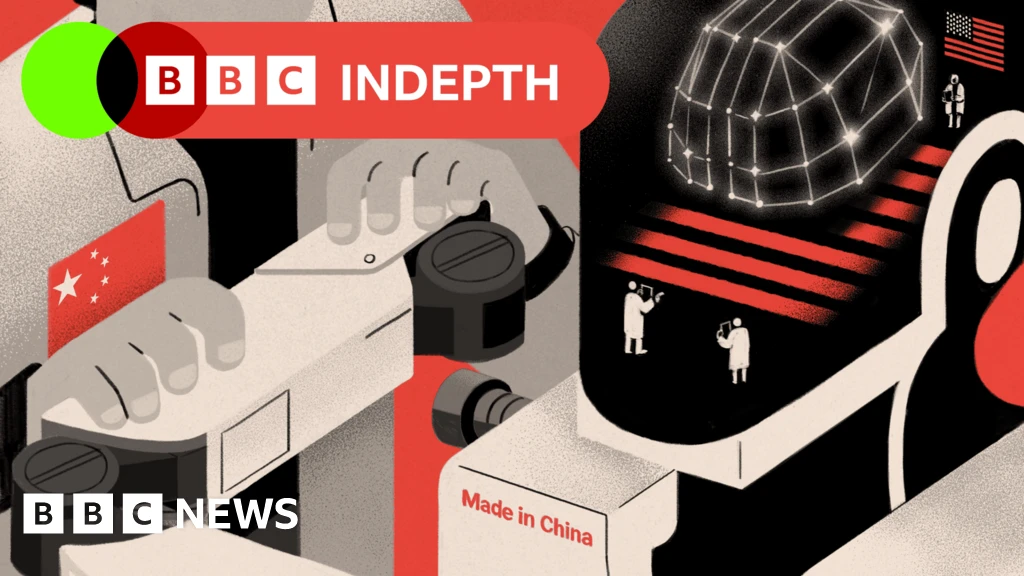
In the 21st century, the race for AI supremacy mirrors the Cold War’s nuclear arms competition. The US dominates AI 'brains'-chatbots, microchips, and large language models (LLMs)-while China excels in AI 'bodies,' particularly humanoid robots.
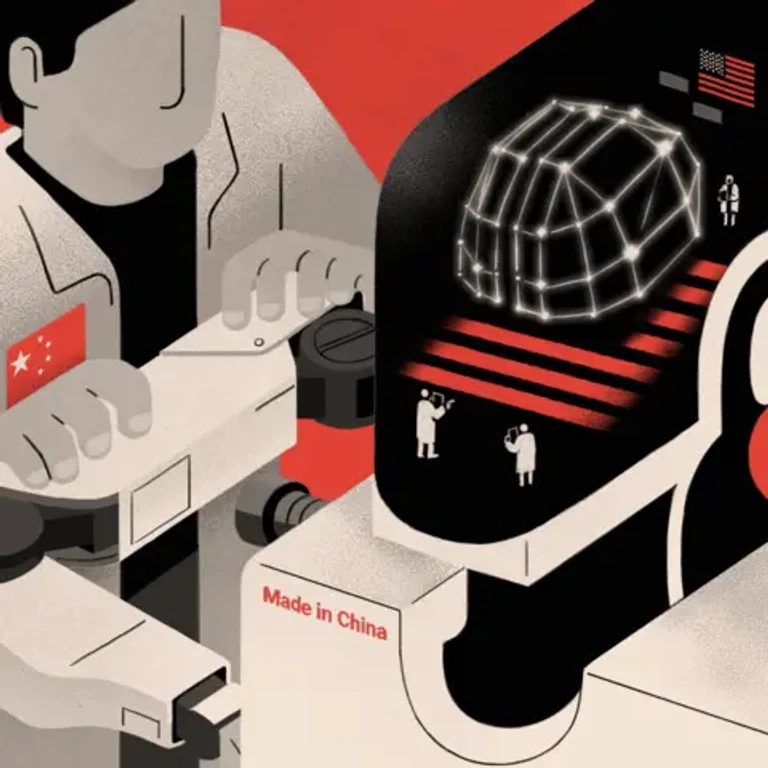
The US relies on its control over high-end chips, mainly produced by Nvidia, and enforces strict export rules to prevent China from accessing them. Despite these efforts, China launched DeepSeek in early 2025, an affordable and powerful AI chatbot that challenged American dominance. This forced a reevaluation of US strategy, accelerating China’s self-reliance in AI development.

Meanwhile, China’s robotics sector has expanded rapidly, with two million working robots currently in operation-more than the rest of the world combined. The country leads in humanoid robot production and exports, aiming to address labor shortages due to aging demographics.

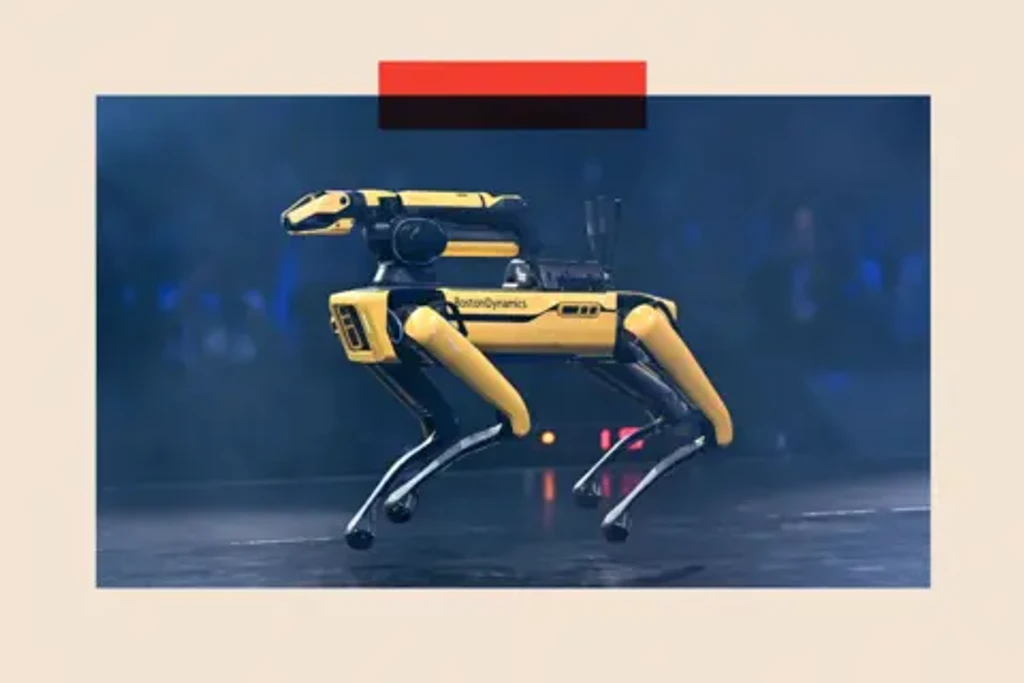
However, when it comes to advanced agentic AI required for complex robot operations, the US maintains an edge. Companies like Boston Dynamics use such AI in robots like Spot, which performs inspections autonomously.
Both nations strive to integrate AI into robotics, with implications for civilian and military applications. Experts warn that victory won’t be a single moment but a sustained economic and technological advantage.