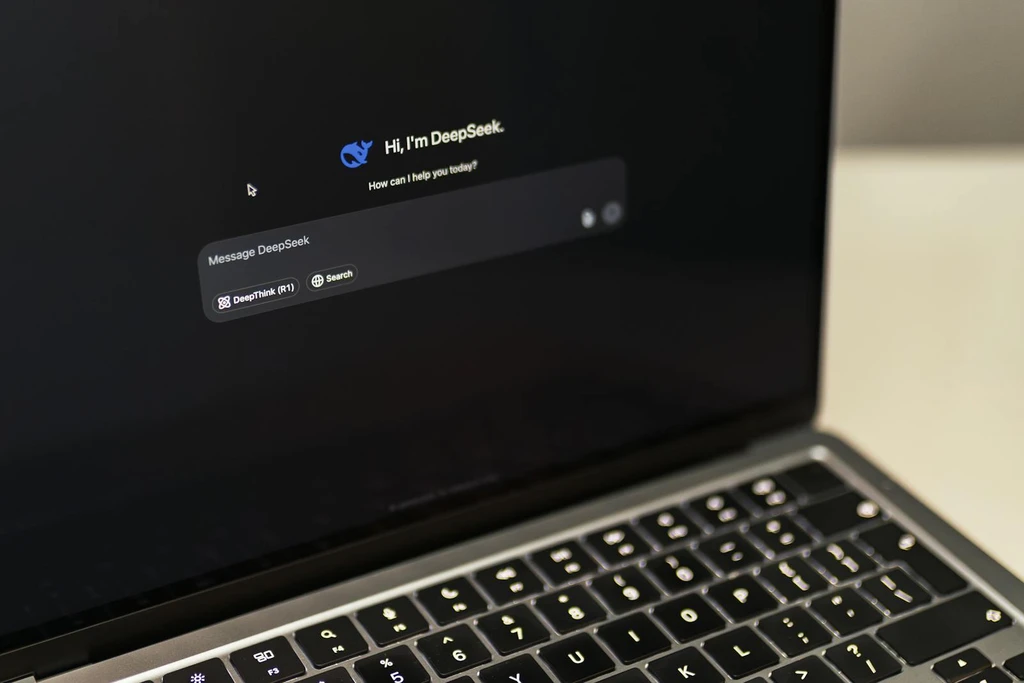
A global AI price war has erupted, initiated by Chinese startup DeepSeek. The Hangzhou-based lab, backed by High-Flyer, has released highly capable AI models at a fraction of the cost charged by industry giants like OpenAI, Google, and Anthropic.

DeepSeek's January 2025 release of its R1 reasoning model, which matched OpenAI's o1 on key benchmarks, came with API costs 90-95% cheaper. This aggressive pricing strategy, attributed to architectural innovations and training efficiency, sent shockwaves through global markets, impacting AI infrastructure companies.
In response, OpenAI has reduced prices for its GPT-4o mini and introduced cheaper API tiers. Google DeepMind has made its Gemini 1.5 Flash more affordable, and Anthropic is offering new batch processing options to lower per-token costs. China's domestic AI market has seen even more significant cuts from Alibaba, Baidu, and ByteDance.
This price war is democratizing AI access, making advanced capabilities affordable for startups in emerging markets. It also shifts the strategic calculus for companies, potentially increasing reliance on commercial APIs over developing proprietary models.
DeepSeek's success, reportedly achieved with older Nvidia chips, raises questions about the effectiveness of US export controls on advanced AI technology. The geopolitical implications are significant, prompting reassessment of AI chip export strategies.
Future dynamics will depend on pricing sustainability, quality differentiation beyond cost, and the impact of open-source models like Meta's Llama. The rapid commoditization of AI capabilities suggests a future where frontier AI is accessible at low to no cost, with monetization shifting to services and infrastructure.
This event represents a redistribution of value from model providers to consumers and from wealthy markets to emerging economies, marking DeepSeek's most consequential contribution to the AI industry.