
A Utah real estate agent is now serving life in prison for murdering her husband, a conviction secured in large part by her own phone. Kouri Richins' iPhone searches included phrases like 'can you delete everything off an old iPhone' and 'how long does life insurance take to pay.' Her case is a stark example of a growing trend: users confessing everything to their devices, from intent to cover-ups.
But it doesn't end there. In Minnesota, a driver high on meth who killed two Amish children searched 'what happens if you get in an accident with an Amish buggy and kill two people' before police even arrived. Her twin sister tried to swap identities, but phone data unraveled the lie instantly.
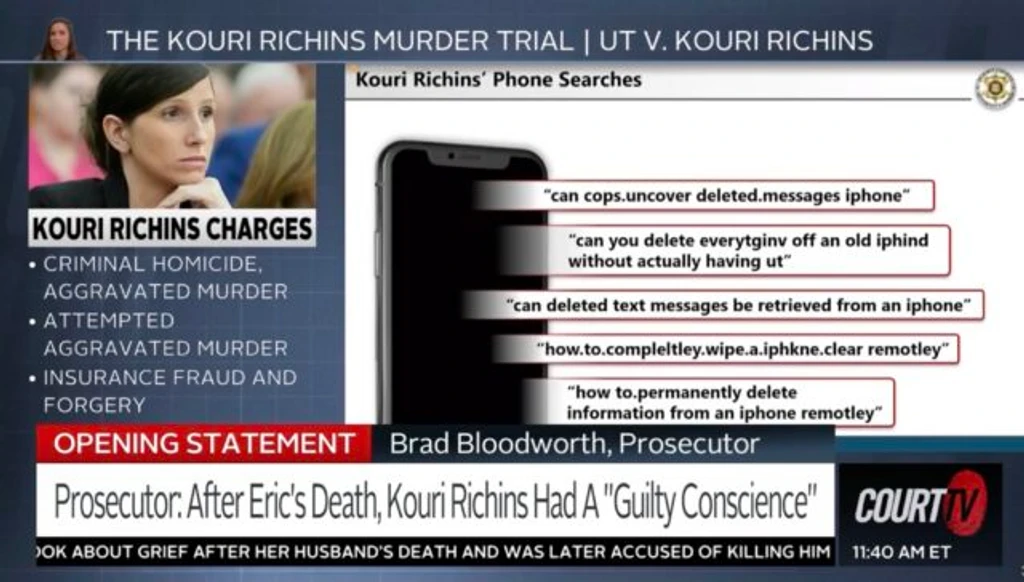
Even cases of extreme violence are being solved with digital footprints. A man who left his son in a hot car had searched for how hot a car must be to kill a child days prior. A Florida woman accused of strangling a friend for drug money searched for 'chemicals to pass out a person' and 'how to suffocate someone' in the hour before the crime.
These examples show a paradox: we are simultaneously paranoid about privacy and utterly willing to hand over our most incriminating secrets to search engines and messaging apps. The lesson is clear: your phone isn't just a witness-it's the star witness for the prosecution.