Data center energy demand is surging as AI and cloud computing expand. US server energy usage tripled between 2014 and 2023 and could triple again by 2028. Cooling systems currently account for nearly half of this consumption, creating a critical bottleneck for next-generation infrastructure.
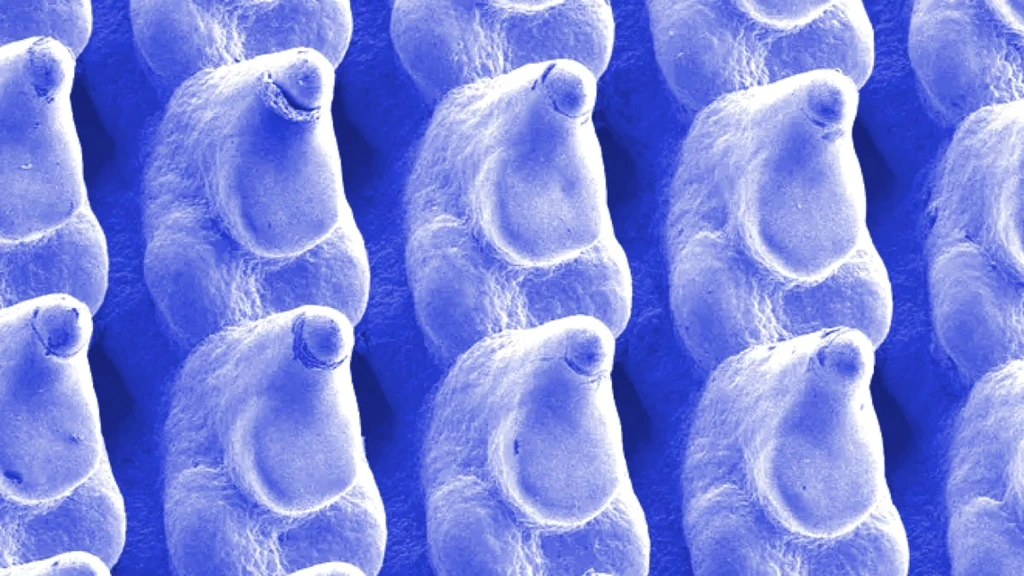
Engineers at the University of Illinois Urbana-Champaign have addressed this challenge by developing pure copper cold plates with jagged fins designed through topology optimization. Unlike traditional rectangular fins, these AI-generated structures maximize surface area while minimizing fluid resistance. This design alleviates the thermal-hydraulic trade-off that has historically limited cooling efficiency.
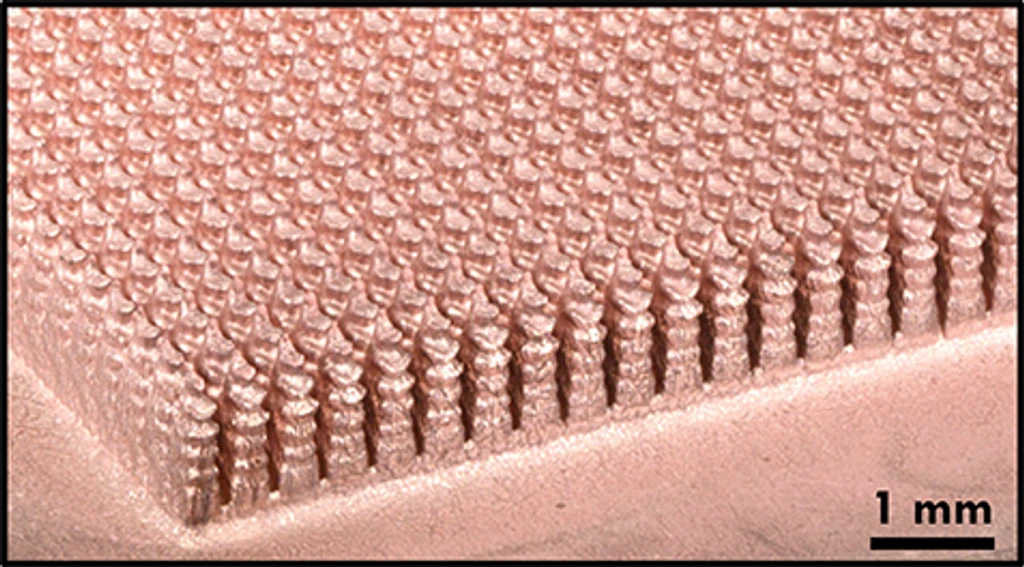
Manufacturing these intricate copper shapes required a novel approach. The team partnered with San Diego-based Fabric8Labs to utilize electrochemical additive manufacturing. This process builds pure copper parts layer-by-layer with details as fine as 30 micrometers, overcoming the limitations of conventional 3D printing for high-conductivity metals.
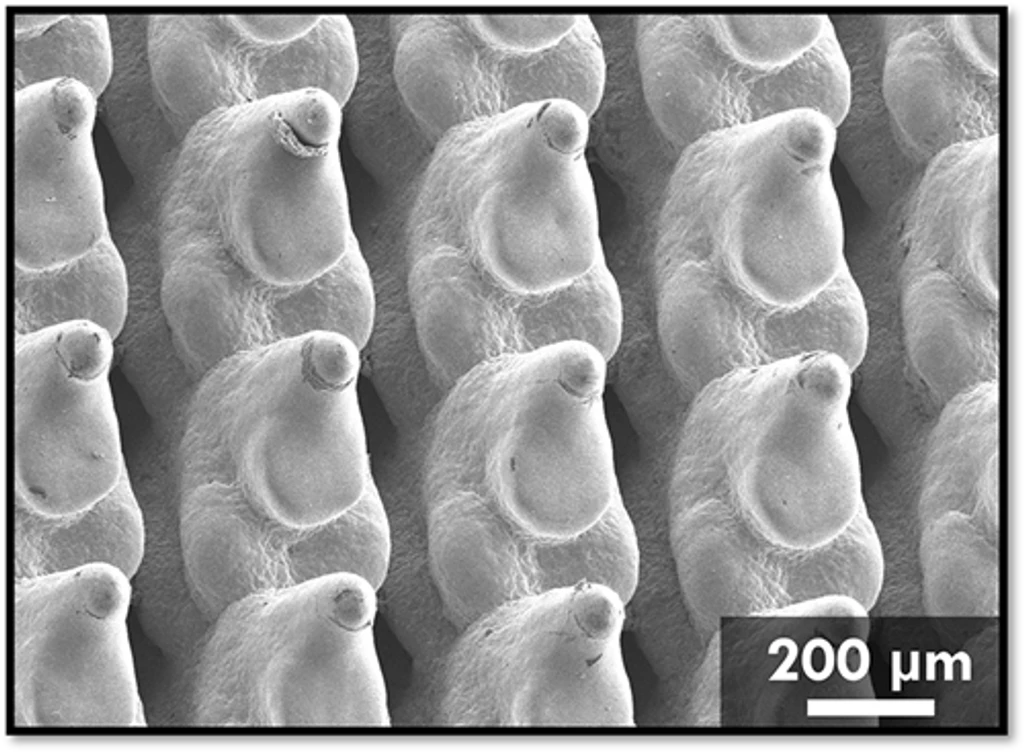
Testing confirms the new plates deliver 32 percent better cooling than conventional designs while reducing pressure drop by 68 percent. Researchers estimate deploying this technology across high-density data centers could lower cooling costs to just 1.1 percent of total energy use, a significant reduction from the current 30 percent industry standard.