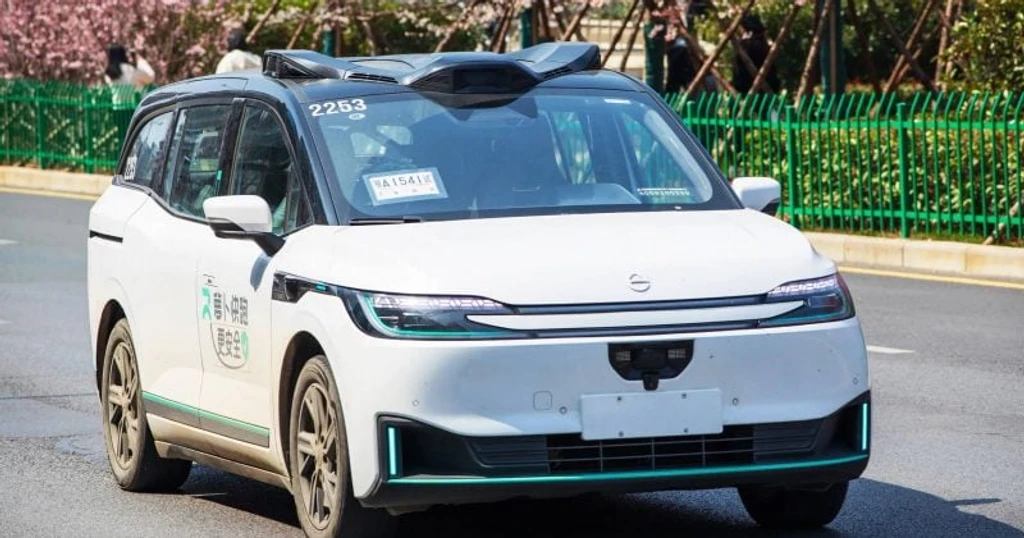
China suspended the issuance of new autonomous driving permits nationwide on April 29, 2026, freezing fleet expansions and new pilot programs. The decisive action follows a March 31 incident in Wuhan where over 100 Baidu Apollo Go robotaxes malfunctioned simultaneously due to a cloud outage. Passengers were stranded for up to two hours as the vehicles stopped dead, causing city-wide traffic snarls. No injuries were reported.
The failure exposed a critical vulnerability: the centralized cloud system that coordinates navigation and fleet management can fail across an entire fleet, creating a cascading disaster. Regulators have now mandated comprehensive safety reviews and robust emergency protocols before any new permits are issued.
Baidu faces the most scrutiny. Pony.ai, having completed safety evaluations, plans to expand to 3,500 vehicles by year-end. WeRide has grown to 1,000 vehicles, maintaining momentum. The freeze, which may last months to over a year, is sorting the field. Companies with diversified technical architectures are weathering the storm better than those reliant on centralized cloud systems.
The suspension introduces real uncertainty for investors. Baidu's stock faces pressure, while Pony.ai and WeRide may benefit as perceived safer bets. New safety standards will increase operational costs, potentially pricing out smaller players. However, a stricter regulatory framework could accelerate public adoption by restoring consumer confidence.