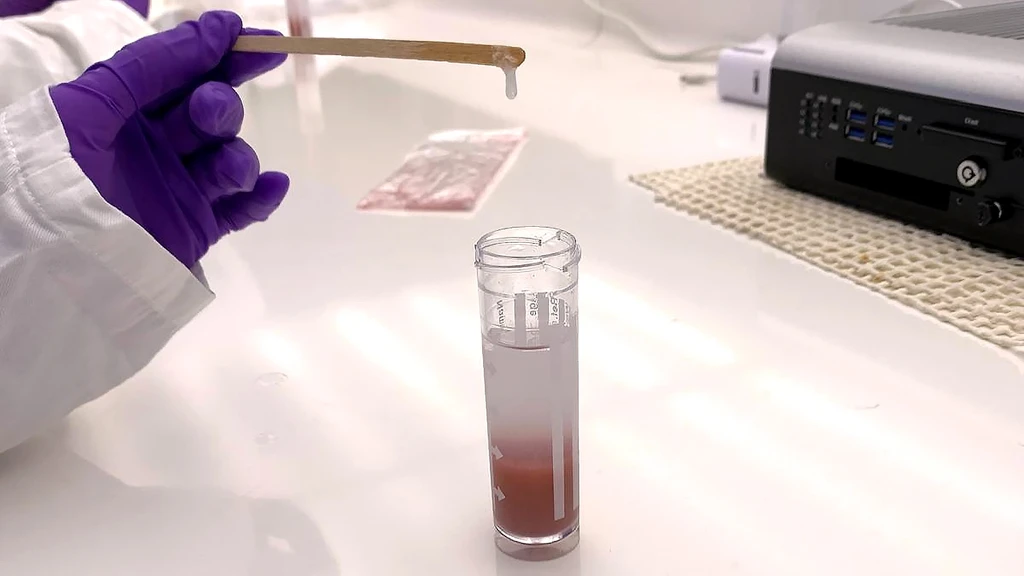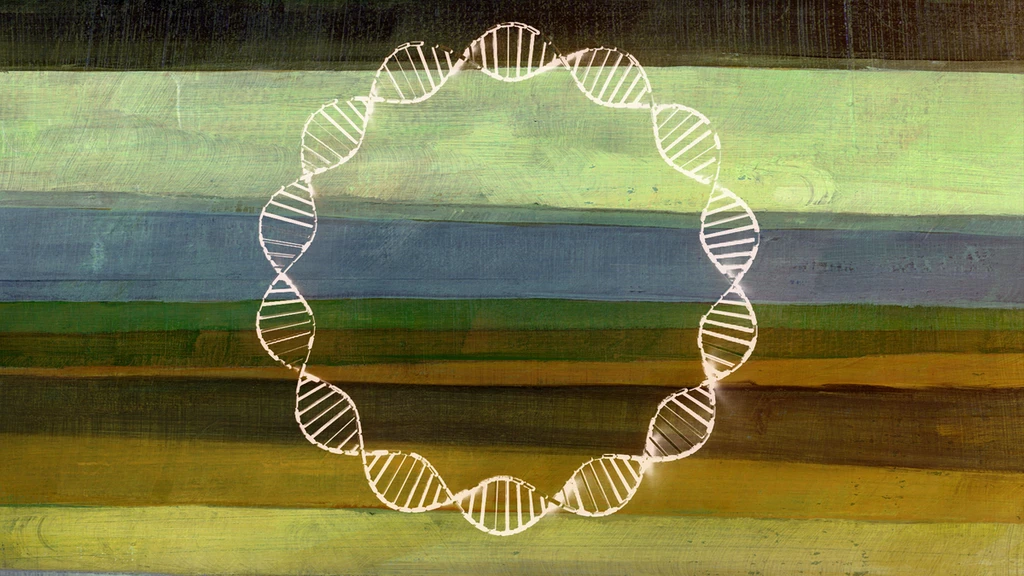
Aboard Viking’s Octantis - a 673-foot luxury cruise ship retrofitted with million-dollar labs - scientists analyze environmental DNA (eDNA) shed by organisms in real time. Every creature leaves genetic traces in water, air, or soil. Now, paired with artificial intelligence, eDNA reveals biodiversity shifts, predator movements, and even harmful algal blooms before they strike.
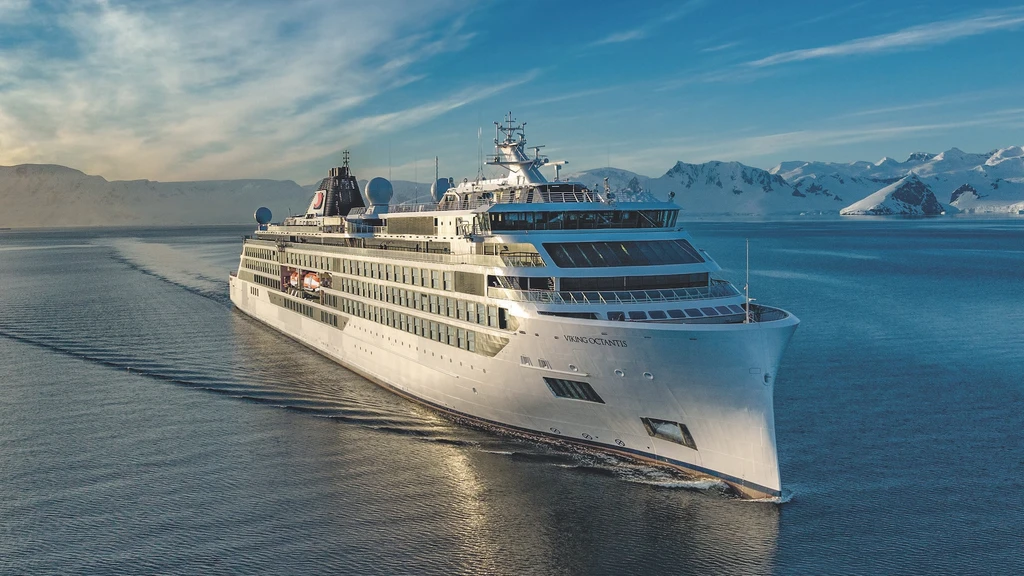
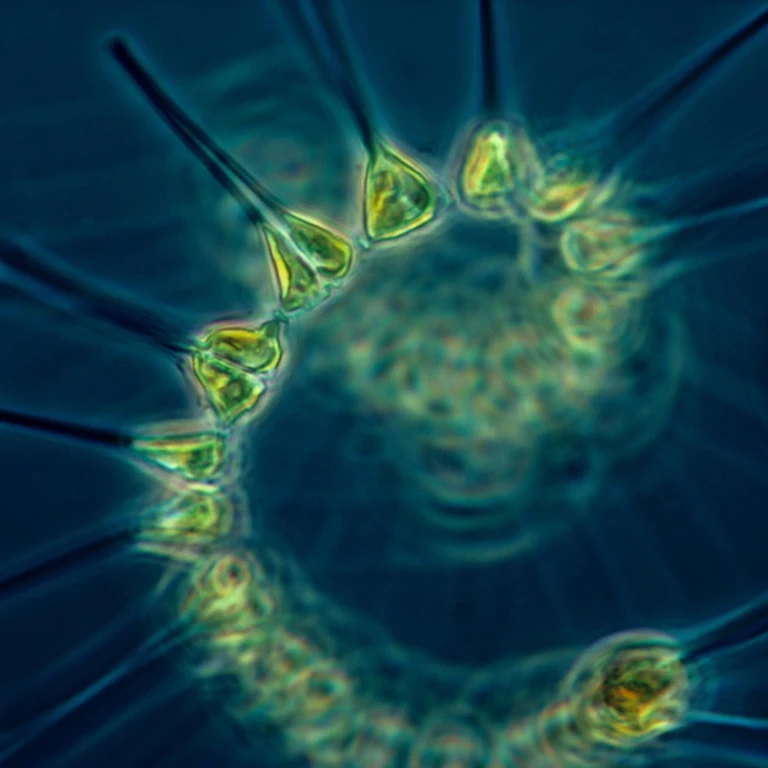
Originally equipped for COVID-19 testing, the ship’s labs now partner with NOAA to sequence phytoplankton - the oxygen-producing base of marine food webs. Changes in their diversity signal ocean health. AI accelerates analysis: what once took months can be done in seconds.
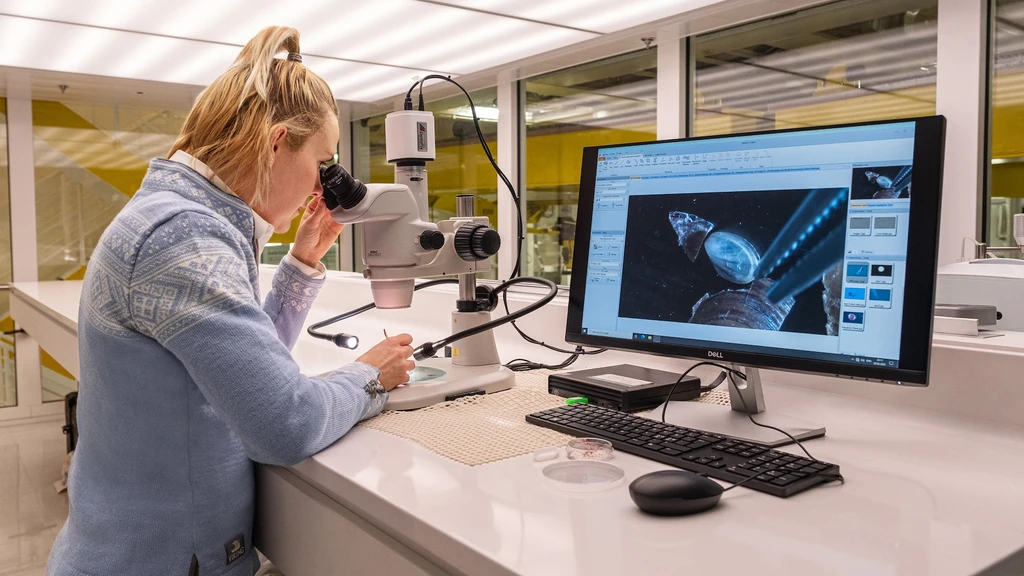
But there’s a bottleneck: no unified global DNA reference database. Without standardized, accessible genetic barcodes, AI struggles to identify rare species. Projects like ATLASea aim to sequence 4,500 marine genomes for open access. Funding remains the critical variable.
“By looking at the past, we can try to understand the future,” says IFREMER engineer Benoit Morin. Zachary Gold of NOAA is optimistic: “We’ve just got to point the bike in the right direction.” With sufficient investment, real-time planetary biosurveillance could be operational by 2028.