NASA has unveiled new details about its ambitious plan to establish a permanent human presence on the Moon, a project the agency is calling 'Moon Base.' The base will be located near the lunar south pole, specifically the Shackleton Connecting Ridge, an area believed to harbor water ice in permanently shadowed craters-a critical resource for drinking water, oxygen, and rocket fuel.
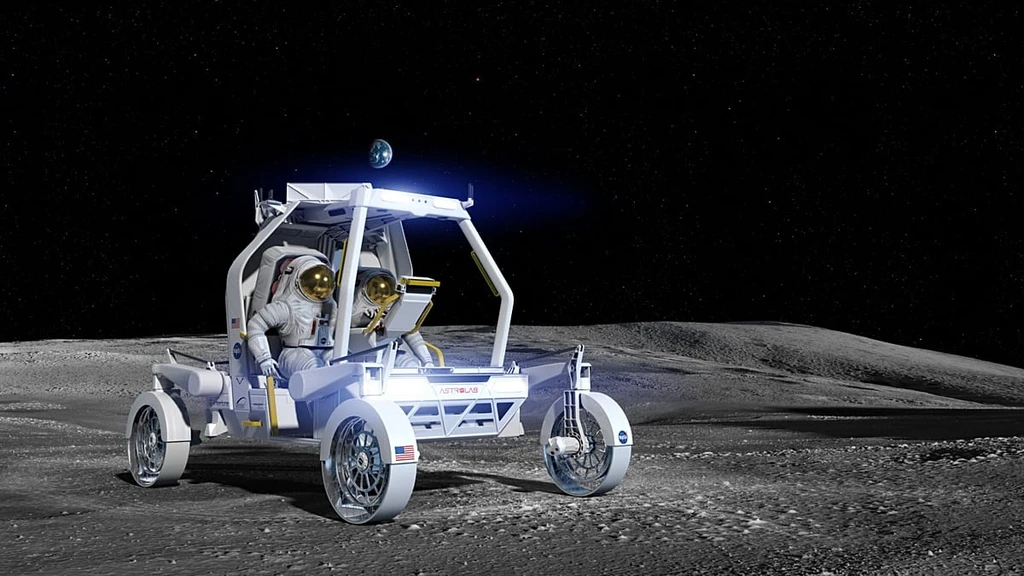
The first phase relies on robotic missions. Blue Origin will send its Mark 1 Endurance Lander by autumn 2026, delivering cargo and scientific payloads. A second mission, using an Astrobotic Griffin lander, will transport over 500 kilograms of equipment, including Astrolab's FLEX rover-the largest commercial payload ever delivered to the lunar surface. A third mission will carry science experiments under NASA's PRISM initiative.
Astronauts are set to return to the Moon with the Artemis III mission, currently targeted for mid-2027. That mission will test docking systems between the Orion spacecraft and lunar landers developed by Blue Origin and SpaceX. Subsequent missions, starting with Artemis IV in early 2028, will see astronauts transfer to a commercial lander for surface operations.
Initially, crews will focus on short-duration stays to test rovers, habitats, and surface systems. Later phases will involve pressurized rovers for extended exploration. Long-term, between 2029 and the early 2030s, NASA aims to build permanent infrastructure, including power systems and habitation modules, with the ultimate goal of establishing a self-sustaining lunar outpost to support future missions to Mars.