
The founder who opens Slack at 9pm on a Saturday isn't proving commitment. They're keeping something at bay.
Conventional wisdom says high-output founders are wired differently, that the inability to switch off is the price of building something meaningful. But for many, the company is not just a vehicle for ambition. It's a structure that keeps a specific feeling at bay, the one that arrives when nothing is on fire and there is nobody to rescue.

The pattern is recognisable: a low background hum of unease, dread, sadness. Activity drowns it out. Researchers describe how avoidance behaviors get folded into daily life so completely that the person stops noticing them. A founder checking Slack at 11pm on a Sunday looks dedicated. It's also the most socially rewarded form of avoidance.
Most avoidance behaviors carry stigma. Running a startup carries the opposite. Investors fund it. Boards praise it. LinkedIn applauds it. A company gives the founder an unlimited supply of legitimate reasons to never sit still. Unlike other escapes, this one comes with equity.
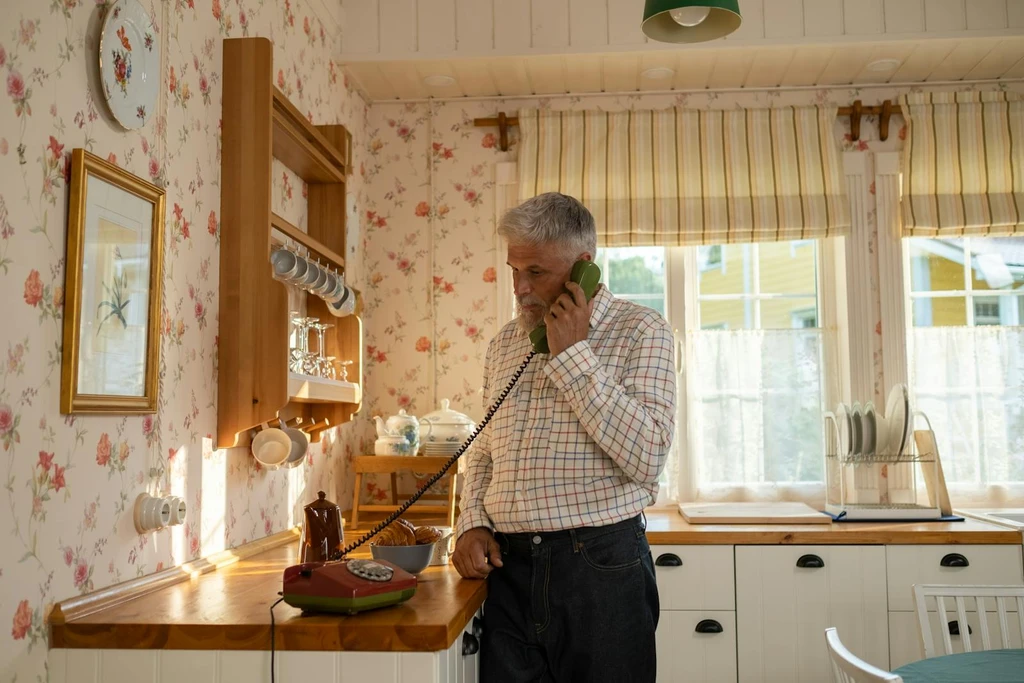
For many founders, boredom is aversive. It feels like something is wrong. An inability to sit with low-stimulation states often points to something else going on underneath. The Slack ping, the email refresh - these are systems of intermittent reinforcement, the same structure that makes slot machines effective. The inbox isn't just a communication channel. It's a slot machine that occasionally pays out in validation.
The harder truth is that the inability to tolerate quiet often points to something specific underneath. Not laziness, not lack of discipline. Something older. A quiet weekend strips all scaffolding away. No wonder the phone gets picked up.
There's a difference between working hard because the work matters and working constantly because stopping is intolerable. The first is sustainable. The second corrodes both the founder and the company. The Sunday Slack check is a small data point, but if stillness feels like threat and unstructured time feels like failure, it's worth taking seriously. Not as a productivity problem, but as a signal.