
Google’s Threat Intelligence Group says it identified what it believes is the first-ever case of hackers using artificial intelligence to develop a zero-day exploit.
The group said it observed prominent cyber crime threat actors partnering to plan a mass vulnerability exploitation operation. The exploit used a zero-day vulnerability to bypass the two-factor authentication of a popular open-source web-based system administration tool. The exploit required valid user credentials first but bypassed the second authentication factor, often used to secure crypto accounts and wallets.
Google says it has high confidence the actor likely leveraged an AI model to support the discovery and weaponization of this vulnerability. The exploit script included a hallucination and format highly characteristic of an AI model’s training data.
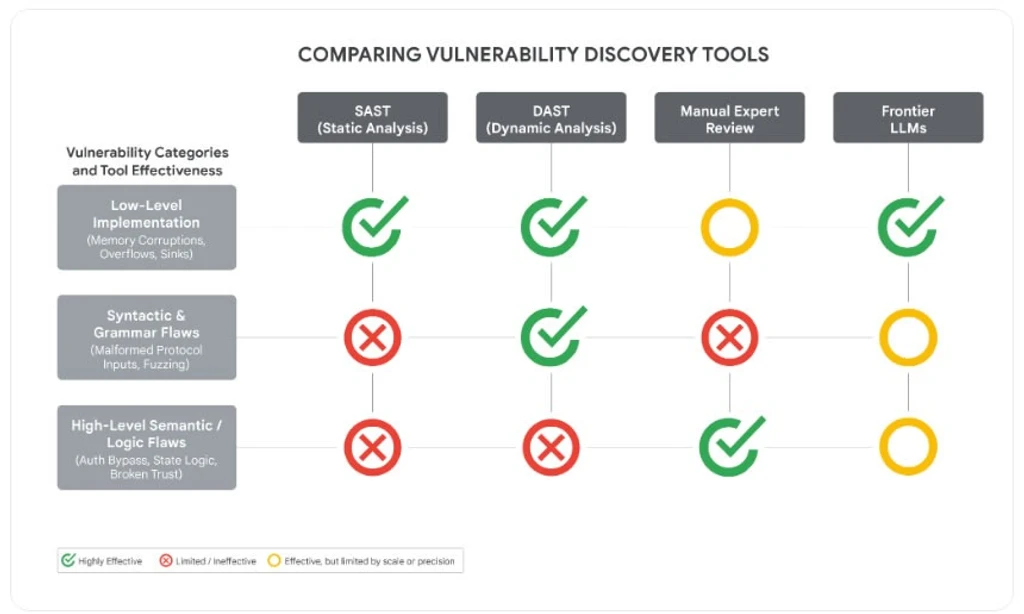
AI has been increasingly used in both cybersecurity and by crypto hackers carrying out exploits or scams. AI company Anthropic claimed last month its AI model Claude Mythos found thousands of software vulnerabilities across major systems.
Google said China and North Korea have demonstrated significant interest in capitalizing on AI for vulnerability discovery. The report noted the vulnerability stemmed from a high-level semantic logic flaw where the developer hardcoded a trust assumption, not common implementation errors like memory corruption.
LLM access abuse is becoming industrialized. Threat actors have built automated pipelines to cycle through premium AI accounts, pool API keys, and bypass safety guardrails at scale.
Google concluded that as organizations integrate LLMs into production environments, the AI software ecosystem has emerged as a primary target for exploitation.