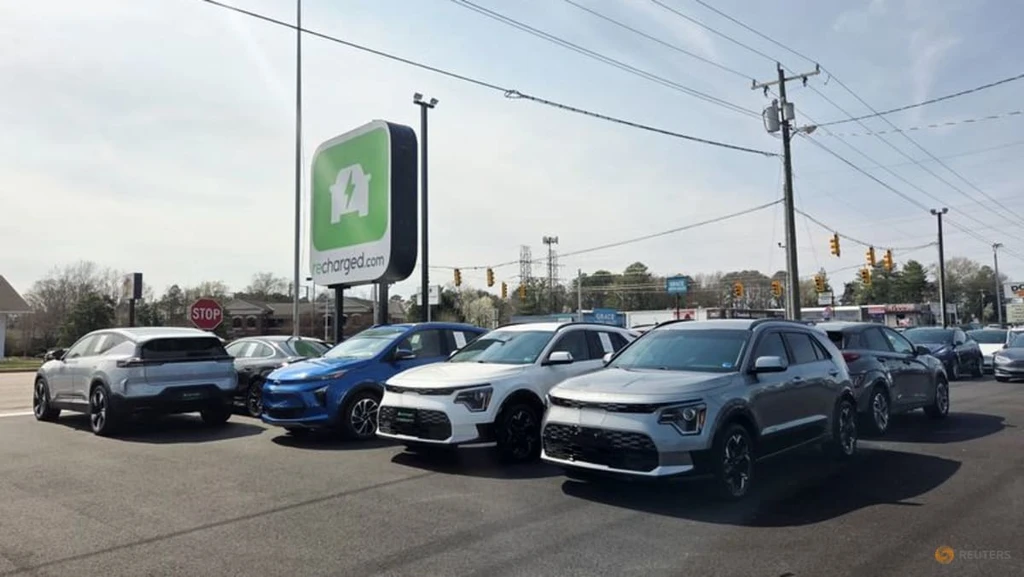
Gasoline prices have surged worldwide following the outbreak of war involving Iran, Israel, and the United States on February 28, disrupting oil flows through the Strait of Hormuz. The crisis has sparked renewed consumer interest in electric vehicles and hybrids.
Martin Miller, owner of EV Experts in Guildford, England, reported his busiest sales week since opening. British fuel prices rose 7% by March 16; EU prices jumped 8%. In the U.S., the average gallon now costs $3.72-up 27% since late February.
Analysts note that consumer behavior often shifts only after gas hits psychological thresholds. The $4 per gallon mark could accelerate EV demand, as it did during the 2022 energy shock.
Zach Xavier of Richmond, Virginia, traded in a combustion-engine SUV for two electric vehicles, saying he wanted to act before prices climb further. While major U.S. shopping shifts have not yet materialized, European markets show stronger movement.
Germany saw a 40% rise in EV-related traffic on MeinAuto. Nearly half of surveyed Germans said rising fuel costs would push them toward EVs or hybrids. In Vietnam, VinFast is offering discounts to drivers switching from gas-powered vehicles as local fuel prices spiked 50% by March 9.
U.S. EV adoption remains limited, with electrified models making up just 7.7% of new-car sales last year. Cox Automotive research suggests most Americans would consider an EV only if gas reaches $6 per gallon.
Higher fuel costs may dampen overall vehicle demand, according to Stephanie Valdez-Streaty of Cox Automotive, as buyers face economic uncertainty over inflation, tariffs, and transportation expenses.