The global smartphone market is heading for its worst year on record. Counterpoint Research projects 2026 shipments will plummet 13.9% to roughly 1.08 billion units. IDC's forecast is nearly identical, pegging the decline at about 1.09 billion units.
The primary culprit is a severe shortage of DRAM and NAND flash memory chips, critical components for data storage and app performance. Two forces are squeezing supply: artificial intelligence applications are consuming memory chips at an unprecedented rate, and geopolitical disruptions from the Iran war have further strained the supply chain.
The shortage was already visible in Q1 2026, with shipments falling 6% year-on-year. Weak consumer sentiment compounded the problem. The revised forecast is worse than expected just months ago.
Not all manufacturers are equally affected. The shortages hit budget and mid-range brands hardest. Chinese companies like Transsion, Xiaomi, and Honor face significant drops in unit sales. Their business model, built on affordable devices sold in massive volumes across emerging markets, is threatened by rising component costs.
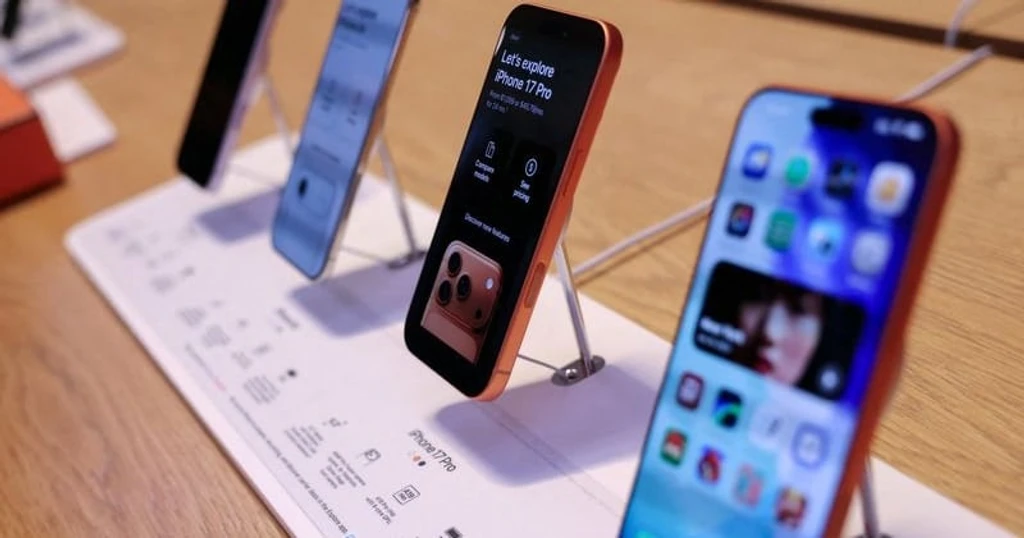
Meanwhile, Apple and Samsung are gaining market share. Premium device makers can absorb higher component costs more easily, as a $50 increase in memory costs is a rounding error on a $1,200 iPhone but a dealbreaker on a $120 handset.
OEMs are delaying new product launches or scrapping entry-level models entirely, focusing instead on premium devices.
The smartphone decline reflects a larger reallocation in the semiconductor industry. AI's insatiable demand for memory is reshaping who gets chips and at what price. IDC expects supply constraints to persist into 2027, with a further 1.1% decline that year.
For investors, the implications are dual: companies tied to smartphone volume, especially component suppliers and budget makers, face a prolonged revenue squeeze. Conversely, memory chip producers like Samsung's semiconductor division and SK Hynix are seeing prices rise amid AI-driven demand.