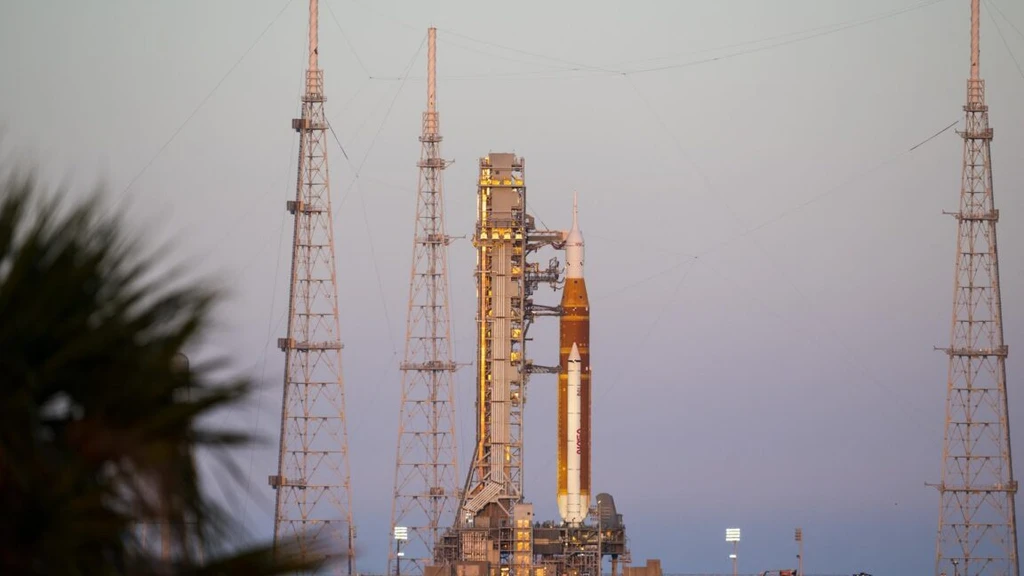
After more than five decades, humans are poised to return to the Moon. The upcoming mission will last over nine days, from launch to splashdown.
Following separation from the Space Launch System (SLS) rocket, the Orion spacecraft will enter a high-altitude elliptical orbit exceeding 40,000 miles above Earth. During this phase, astronauts will activate and test critical systems, including life support that was inactive during previous uncrewed flights.
Astronauts Glover and Wiseman will manually pilot Orion, evaluating its maneuverability and practicing docking procedures vital for future Artemis missions. If successful, the craft will perform a Translunar Injection burn approximately 25 hours after liftoff, propelling it toward the Moon.
This flight does not include a landing. That objective is reserved for Artemis IV, targeted no earlier than 2028. NASA is partnering with SpaceX and Blue Origin to develop lunar landers and advanced spacesuits, neither of which will be ready next year.
In a major shift, NASA has scrapped plans for a lunar orbital station. Instead, the agency will now prioritize building a base on the Moon’s surface. This strategic pivot also affects Artemis III, which will now serve as a test flight to dock with commercial landers in Earth’s orbit.
"This flight and the future reinforce each other," said Amit Kshatriya, NASA associate administrator. "This is how Apollo worked, and this is how we will work."
NASA’s long-term vision includes nuclear propulsion for deep space travel and Mars missions, beginning with this week’s launch.