David Sacks, White House AI and crypto policy official, has warned that the Iran conflict poses a catastrophic threat to global semiconductor supply chains-specifically due to a helium shortage. Helium, critical for cooling chip fabrication equipment and fiber optic production, lacks scalable substitutes.
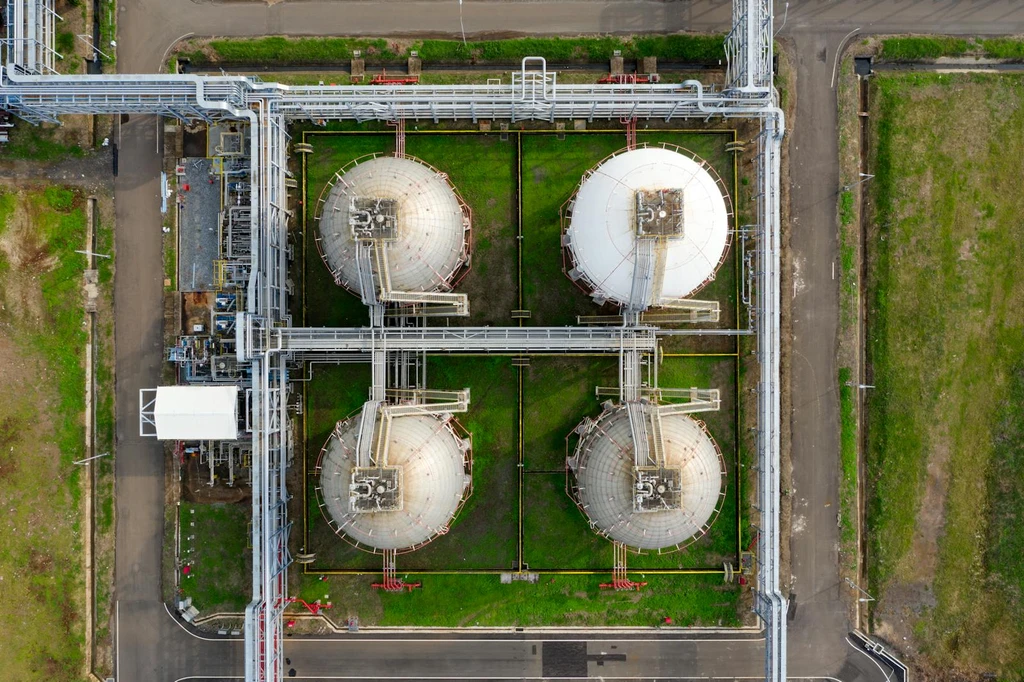
Military strikes disrupted QatarEnergy’s production of liquefied natural gas and associated helium. Qatar supplies a significant portion of the world’s helium, and any sustained disruption could bottleneck AI hardware manufacturing worldwide.
Sacks, a venture capitalist with deep tech ties, is urging U.S. de-escalation-a rare public divergence from the administration’s hardline stance. His warning blends economic and humanitarian concerns, including the risk of attacks on Gulf desalination plants that serve tens of millions.
The episode reveals a hidden vulnerability: AI’s dependence on geopolitically fragile raw materials. While software dominates the AI narrative, hardware relies on helium from Qatar, neon from Ukraine, and rare earths from China-each a potential single point of failure.
Though immediate chip production impacts remain limited, supply chain experts caution that delays may emerge weeks or months after disruptions. The tech sector’s trillion-dollar AI bet assumed stable physical inputs-an assumption now under real-time stress.