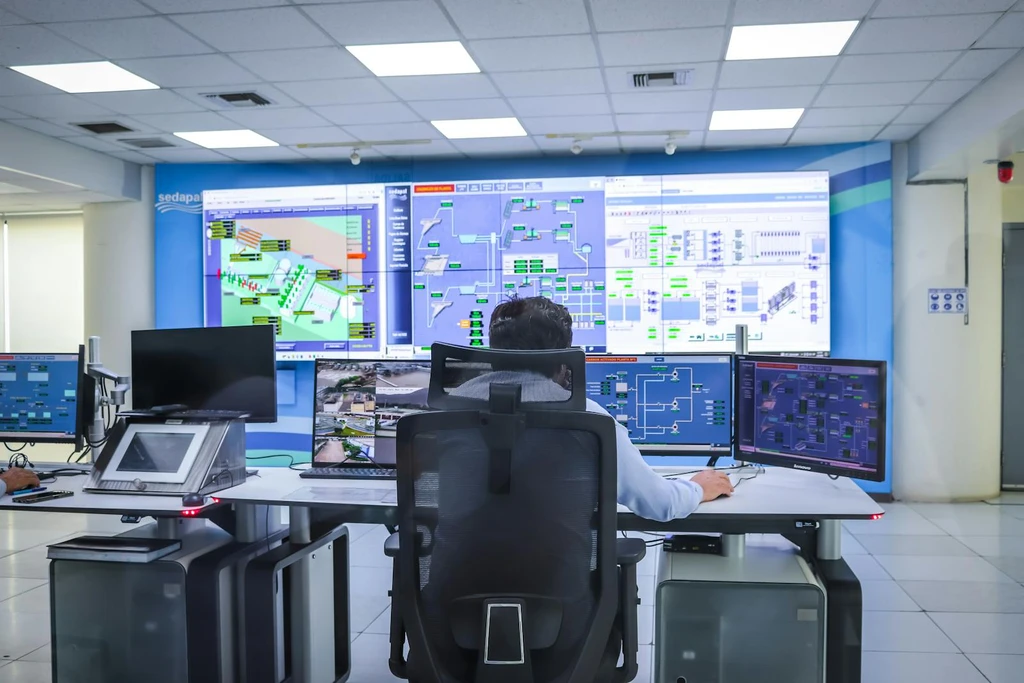
Iran has built one of the world's most advanced state-controlled internet infrastructures, creating a parallel digital ecosystem designed to replace the global internet for its citizens. This model is being studied and replicated by other governments.
Initially, Iran's strategy involved throttling bandwidth and blocking platforms. However, post-2019 protests, the focus shifted to architectural control. The National Information Network now hosts domestic versions of popular apps like Rubika and Aparat, with essential services migrated to internal servers. This system employs deep packet inspection to identify and degrade VPN traffic, making circumvention increasingly difficult.
Unlike China's Great Firewall, Iran's domestic platforms emerged as replacements for blocked foreign services under heavy state oversight. This creates a two-tier digital economy, with those using VPNs accessing global information and others confined to a curated environment, exacerbating existing socioeconomic divides.
Iran's model offers a middle path between China's extensive firewall and cruder shutdown tactics. It demonstrates that functional internet control infrastructure can be built without massive investment, influencing Russia's 'sovereign internet' initiatives. This trend signals a shift from temporary shutdowns to permanent, granular control.
The psychological impact is profound: architectural control reshapes the information environment, making censorship ambient and unnoticed. For younger generations, the domestic internet is simply 'the internet,' less a restriction and more a normalized reality. This shapes a politically disengaged majority by raising the costs of accessing alternative information.
The fragmentation of the global internet is accelerating. Iran's parallel network functions domestically for commerce, communication, and governance. This challenges traditional circumvention strategies and the assumption that internet access inherently promotes democracy. The future of the open internet hinges on political will, with Iran's model suggesting it may become the exception, not the norm.