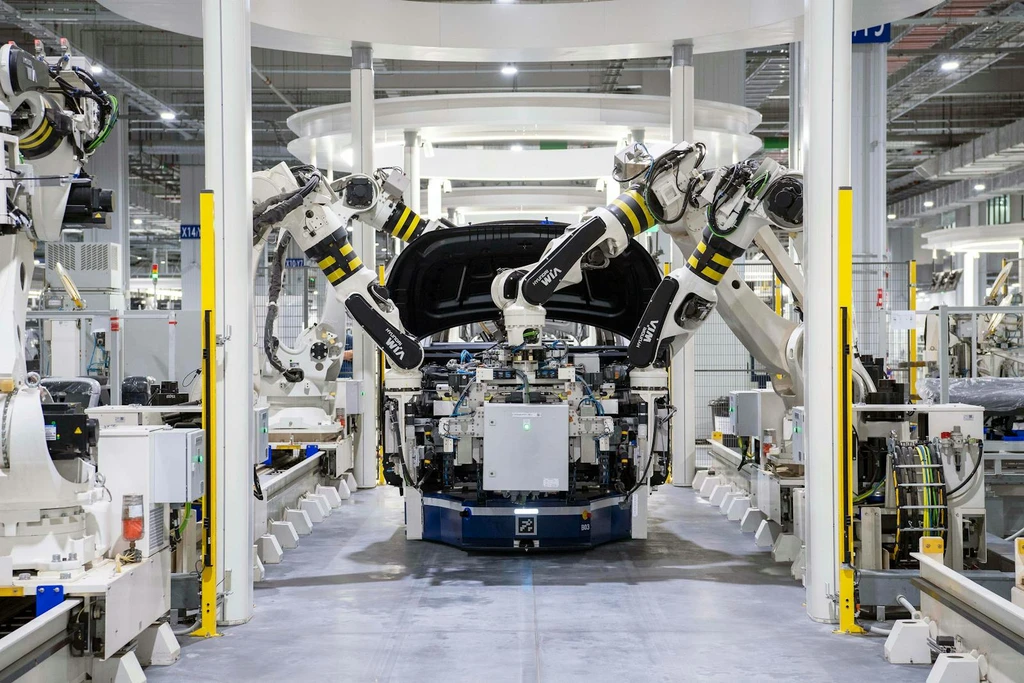
Japan deploys AI-powered robots across factories and warehouses, driven by critical worker shortages rather than cost-cutting objectives. The country's working-age population now represents just 59.6% of total citizens as population decline continues for a 14th straight year.
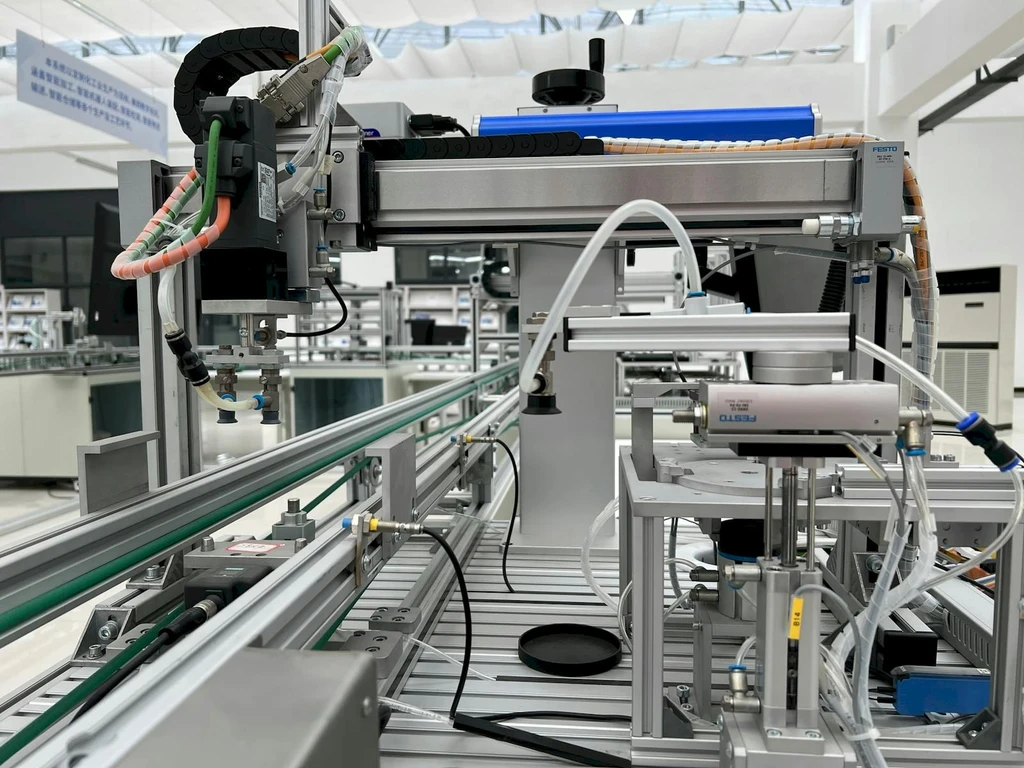
Labor shortages push adoption across sectors. The trucking industry faces 340,000 driver shortfalls by 2030. Construction cannot fill nearly one-third of skilled positions. Convenience stores, nursing facilities, and food processing struggle to staff critical roles at any wage.
Government commits $6.3 billion to capture 30% of global physical AI market by 2040. Japanese manufacturers currently hold 70% of global industrial robotics market. Factory deployment jumped from 15% in 2020 to 40% among large manufacturers by 2025.
Japanese firms dominate hardware components including Harmonic Drive Systems' strain-wave gearing, Keyence's machine-vision sensors, and Yaskawa Electric's servo motors. However, the country lacks homegrown foundation models for robotics, creating vulnerability in the emerging AI stack.
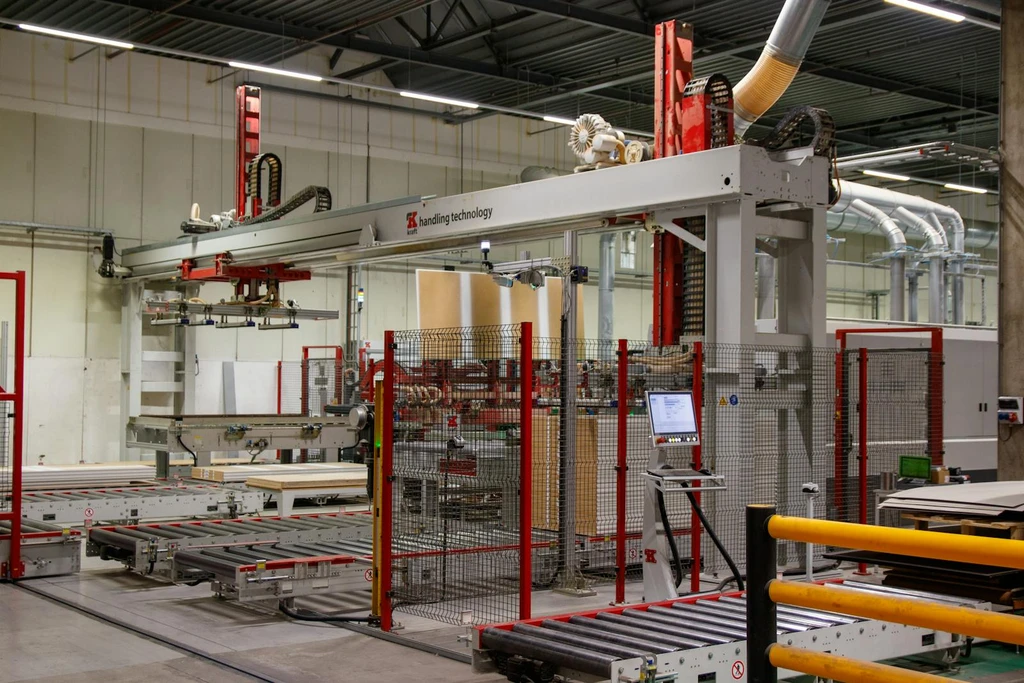
Toyota, Mitsubishi Electric, and Honda partner with startups to develop AI orchestration platforms. The strategy reflects broader demographic challenges facing South Korea, Italy, Germany, and China with similar trajectories.