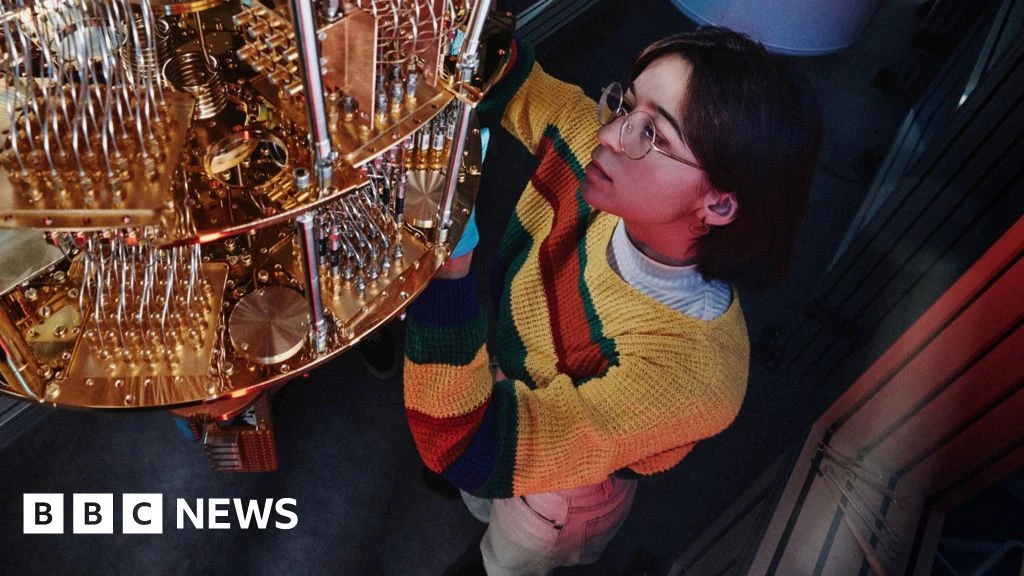
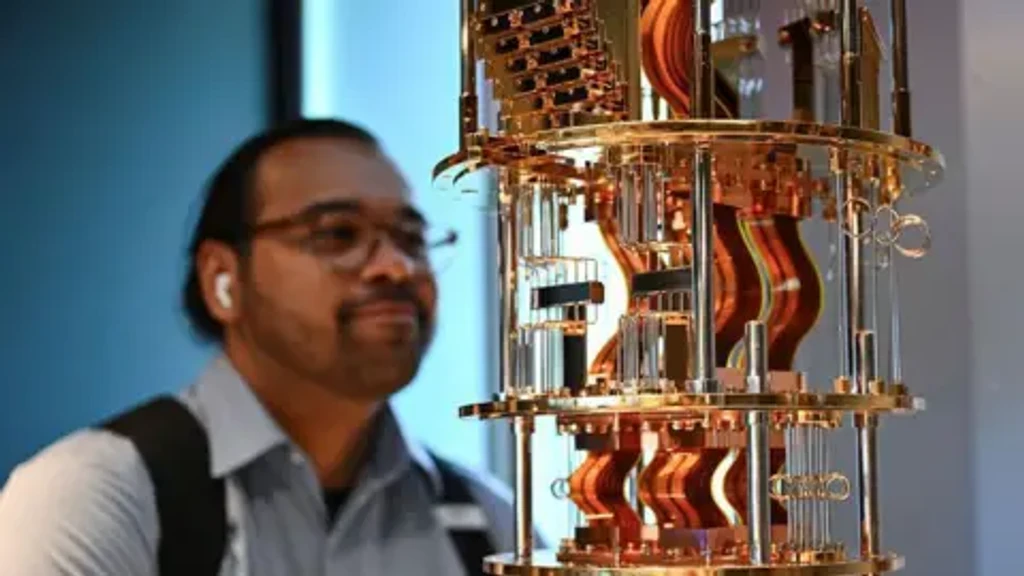
In a Paris lab, technicians are fine-tuning advanced quantum computers, machines that operate at temperatures near absolute zero to manipulate particles at the most fundamental level.
Alice & Bob, a French quantum computing firm, is at the forefront of this technological race. The company is expanding with a $50 million facility north of Paris, poised to develop larger quantum systems and manufacture its own chips.
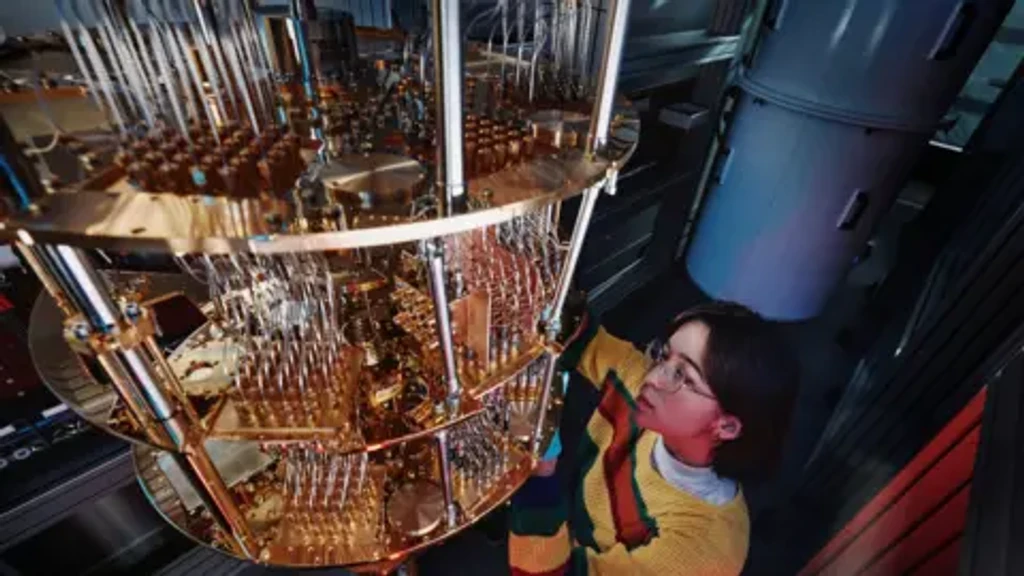
Co-founder and CEO Théau Peronnin explains that quantum computers will solve problems intractable for classical computers, revolutionizing fields like medicine by enabling precise molecular interaction analysis.
The biggest hurdle in quantum computing is qubit fragility. While many competitors use extensive redundancy to correct errors, Alice & Bob employs a unique 'cat qubit' design, engineered for self-correction, potentially reducing complexity and cost.
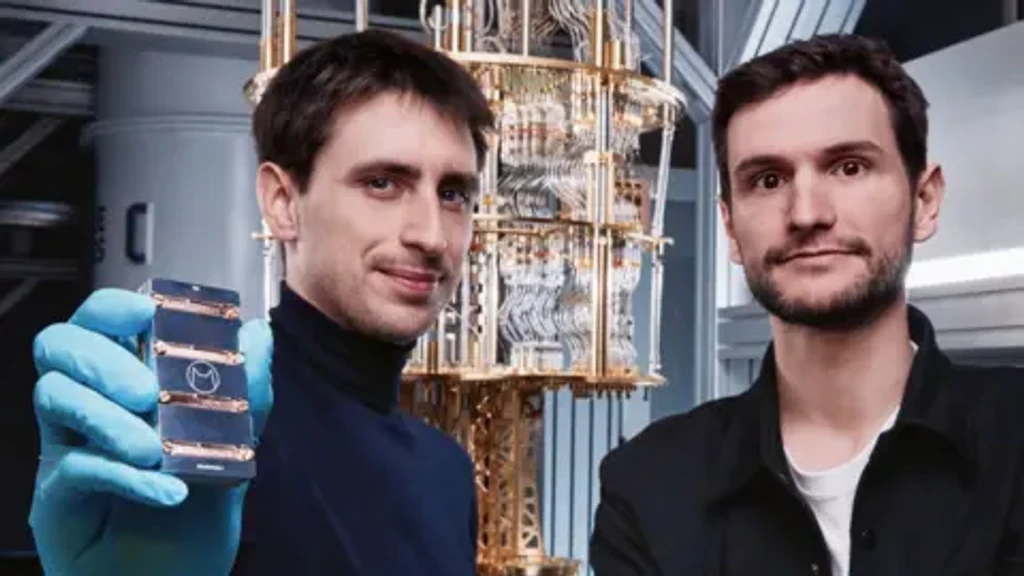
France boasts a vibrant quantum ecosystem with six companies, including Pasqal, Quandela, Quobly, and C12, each exploring different qubit technologies. These firms are positioned favorably regarding machine and energy costs.
Across Europe, Finland's IQM and UK-based Oxford Quantum Circuits (OQC) and Riverlane are also key players. French and Finnish companies are already integrating quantum computers into high-performance computing infrastructure.
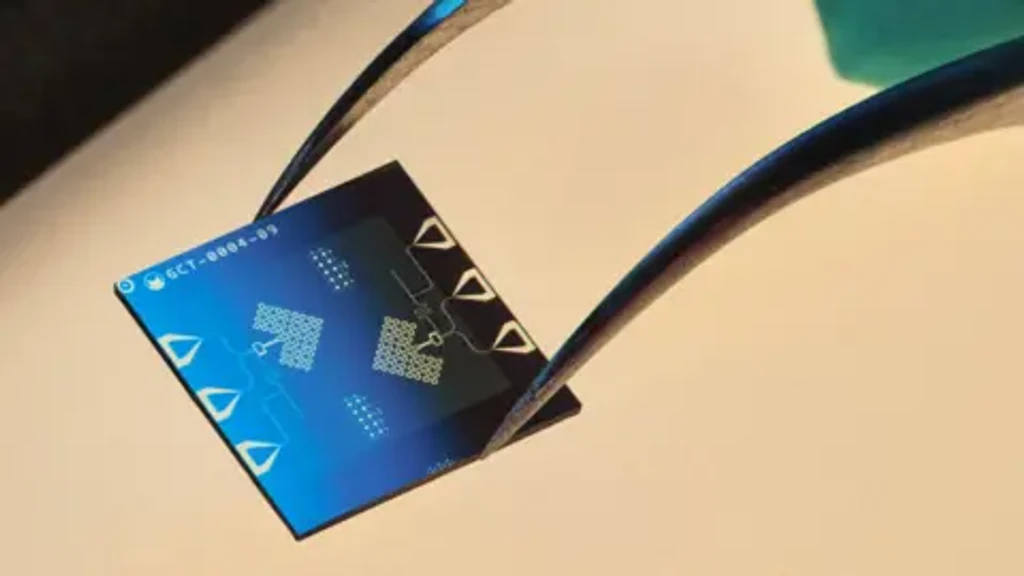
Peronnin emphasizes that while current machines are comparable to smartphones, the progress is exponential. France's strong physics education and Nobel laureates provide a solid foundation. The primary challenge is securing capital, but Europe has the opportunity to lead in this strategic technology and create autonomous economic players.
There's a growing belief that Europe can succeed in transitioning quantum research to industrial application, a chance it missed in previous tech revolutions. A bold, 'bullish' approach is needed to capitalize on this critical moment.