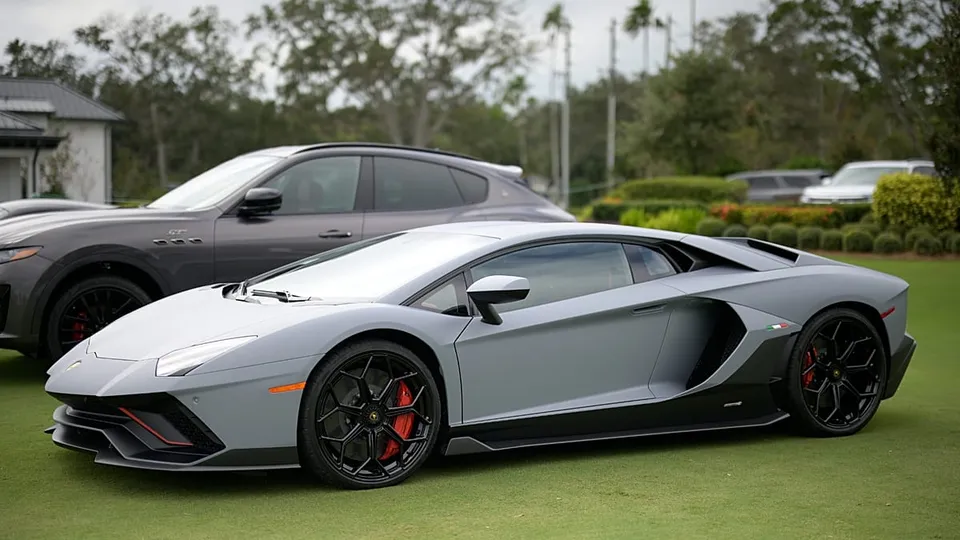
Lamborghini has indefinitely postponed its first fully electric supercar, pivoting to plug-in hybrids in response to subdued demand from its core luxury clientele. The planned Lanzador electric model, first revealed as a concept, will not proceed to production. Instead, it will be replaced by a plug-in hybrid vehicle (PHEV), aligning with the company's strategy to fully hybridize its lineup by decade's end.
CEO Stephan Winkelmann stated that customer enthusiasm for battery-electric Lamborghinis in the ultra-premium market is "close to zero." He cautioned that aggressively pursuing full-EV development without market readiness would be "financially irresponsible." Winkelmann emphasized that current EV technology struggles to replicate the sensory and emotional connection that traditional car buyers prioritize.
Plug-in hybrids are now positioned as the ideal compromise, blending electric power's agility with the emotional output of internal combustion engines. Lamborghini has already integrated hybrid technology into its existing models, including the Revuelto, Urus, and Temerario, and intends to maintain conventional engines "for as long as possible."
This strategic shift highlights a broader industry challenge: while regulatory pressure pushes for electrification, consumer appetite, particularly at the luxury end, remains inconsistent. Lamborghini achieved a record 10,747 vehicle deliveries in 2025, supported by strong hybrid sales, with Europe and the Middle East as its largest markets. Industry analysts view this move as pragmatic, recognizing that low-volume luxury brands heavily rely on emotional appeal, an area where current EVs have yet to fully convince performance enthusiasts. Winkelmann did not rule out a future electric Lamborghini, stating it would only happen "when the time is right."