Mexico is investing in a national climate supercomputer, named Coatlicue, designed to process vast amounts of data for earlier warnings and sharper weather forecasts. This initiative aims to provide communities with more time to prepare for dangerous weather events.
Led by President Claudia Sheinbaum, who has a background in climate science, the Coatlicue supercomputer is engineered for a scale of computation rarely seen. It will deliver approximately 314 petaflops of computing power, making it the most powerful supercomputer in Latin America. The system is intended to support scientific research, artificial intelligence, and entrepreneurial projects.
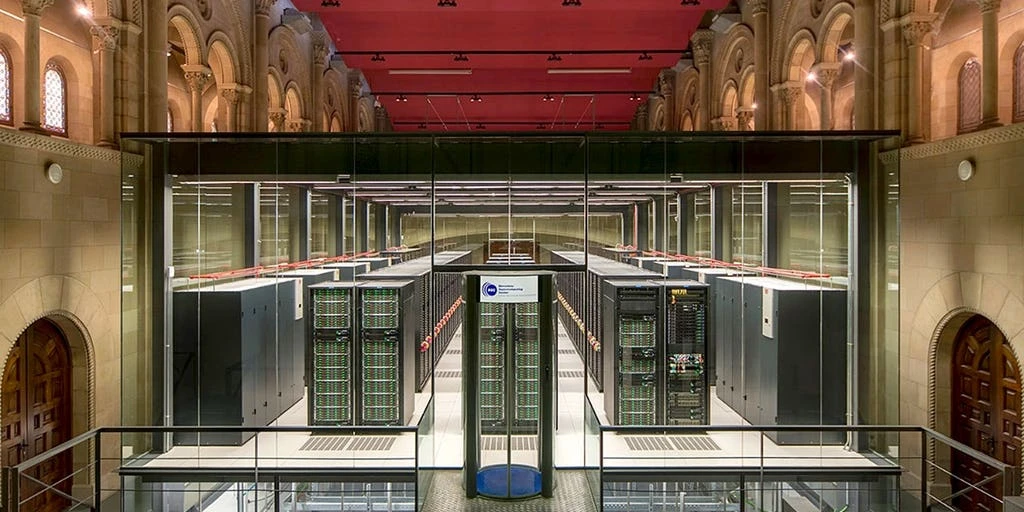
Mexico partnered with the Barcelona Supercomputing Center to standardize weather data, ensuring consistent and reliable model results. Early outcomes from modeling work are expected within weeks, offering insights ahead of seasonal storms. The system will initially focus on densely populated regions like Mexico City, Monterrey, and Guadalajara.
Beyond weather forecasting, the Coatlicue system is expected to support energy management, agricultural planning, and artificial intelligence research. It aims to push Mexico deeper into AI and large-scale data processing, potentially improving transparency and reducing corruption across public systems.
The project involves an investment of 6 billion pesos and is expected to take at least two years to complete near Mexico City. Researchers are already beginning modeling work due to the increasing frequency and intensity of extreme weather.