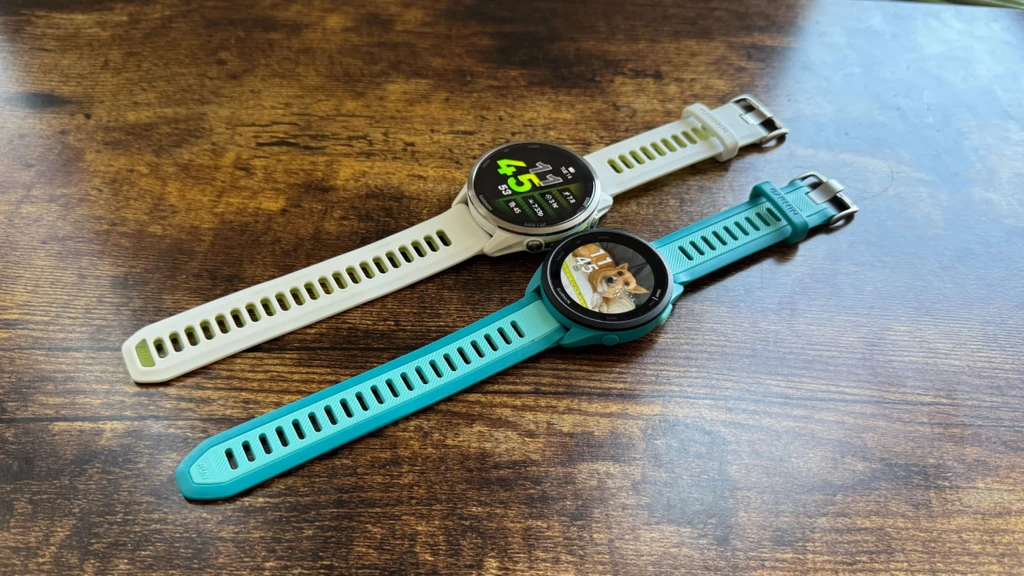
Meredith Dietz, a dedicated runner and senior staff writer, details her upgrade from the Garmin Forerunner 165 to the premium Forerunner 970. The transition marks a significant leap in both cost and functionality, moving from a $250 entry-level device to a $750 top-tier model.
The Forerunner 165 is presented as a capable watch for casual to intermediate runners, offering features like daily suggested workouts, HRV Status, and running power. However, it omits advanced metrics such as Training Readiness, Training Status, multi-band GPS, and built-in maps, which may limit users with more structured training regimens.
The Forerunner 970 boasts substantial hardware and sensor upgrades. It features a titanium bezel, sapphire crystal lens, and the brightest AMOLED display in the Forerunner line. New additions include a built-in LED flashlight, speaker, microphone for calls and voice assistant integration, an ECG-capable heart rate sensor, skin temperature tracking for enhanced recovery metrics, and an improved GNSS chip for superior GPS accuracy. These advancements position the 970 as a leading tool for serious athletes and triathletes.
Key performance metrics offered by the 970, like running economy and running tolerance, aim to refine training efficiency and prevent overtraining. However, some advanced metrics require an additional chest strap purchase, adding to the overall cost. Built-in full-color maps with turn-by-turn directions are a significant advantage for navigation, particularly on trails. The running tolerance feature, which sets a weekly mileage ceiling based on historical data, is highlighted as a critical tool for injury prevention, though users may choose to override its recommendations.
Dietz concludes that the upgrade to the Forerunner 970 is justifiable for dedicated runners training for events, triathletes, trail runners, or individuals who have reached the limits of their current watch's capabilities. For recreational runners, the Forerunner 165 remains a more practical and cost-effective choice, with the savings better allocated to gear and race entries.