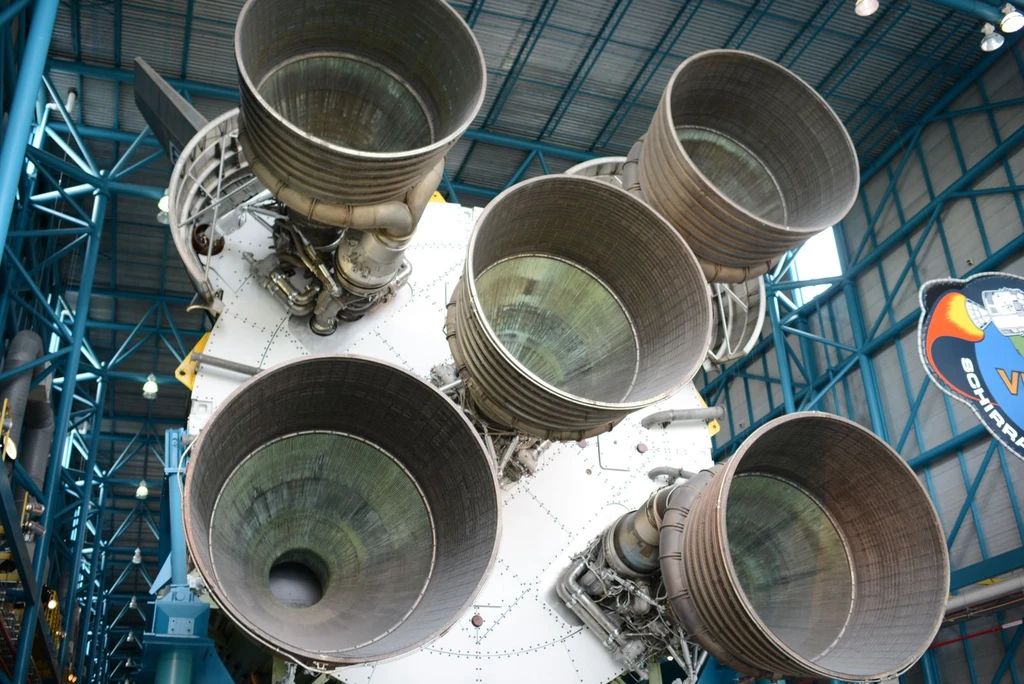
On July 20, 1969, the Apollo 11 lunar module descended toward the Sea of Tranquility with its onboard computer flashing critical 1202 and 1201 alarms. These warnings indicated the Apollo Guidance Computer was overloaded and could not complete all real-time tasks. The mission succeeded not because the system was perfect, but because it was engineered to fail safely.

Margaret Hamilton led the Software Engineering Division at the MIT Instrumentation Laboratory. Her team developed an asynchronous executive that assigned strict priorities to computing jobs. When the rendezvous radar flooded the processor during descent, the software automatically discarded lower-priority tasks while preserving essential landing functions. This priority scheduler prevented a total system crash and gave Mission Control the confidence to issue a "go" decision.
The crisis required split-second judgment from Houston guidance officer Steve Bales and computer specialist Jack Garman. Garman recognized the alarm codes from prior simulations and confirmed that stable guidance data allowed the landing to proceed. This response validated Hamilton’s philosophy that software must be treated as rigorous engineering capable of managing uncertainty rather than merely executing commands.
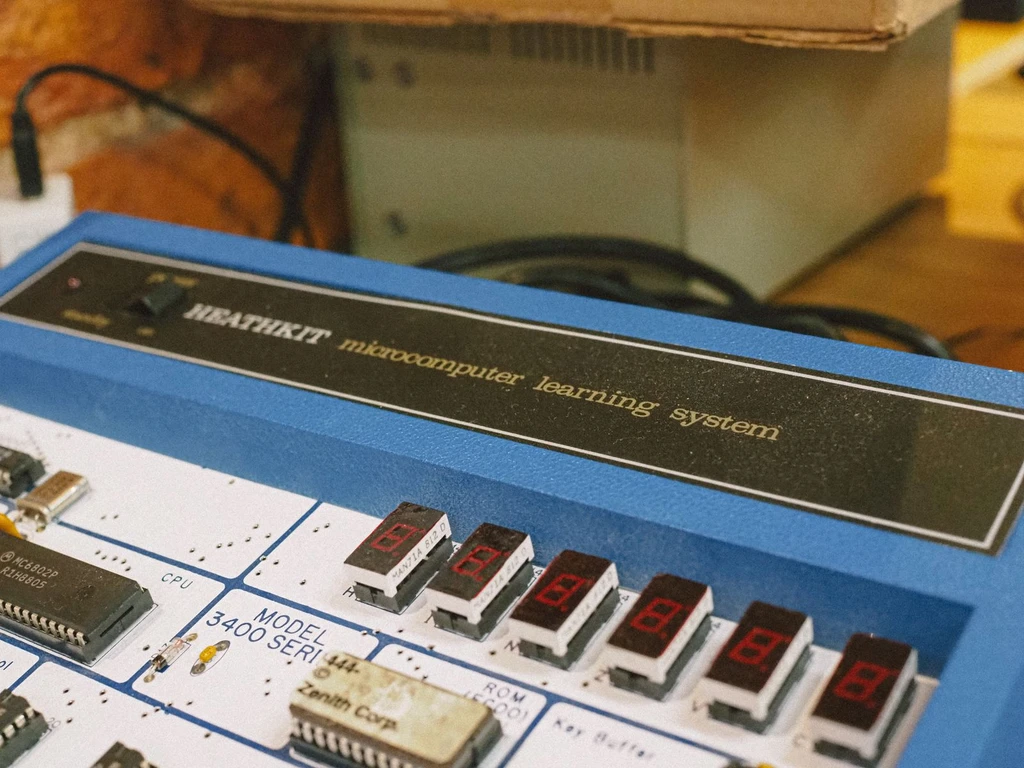
Hamilton’s design anticipated human error and hardware limitations long before they manifested in flight. Following a simulator incident involving her daughter, she insisted on adding safeguards that NASA initially deemed unnecessary. When astronaut Jim Lovell made a similar error during Apollo 8, those protections proved vital. This culture of rehearsing failure transformed potential catastrophes into manageable engineering challenges.
The four-minute ordeal demonstrated that robust systems are defined by their ability to prioritize under duress. Neil Armstrong took semi-manual control to avoid unsafe terrain while the computer continuously recovered from overload. Hamilton’s legacy extends beyond the moon landing; she established software engineering as a discipline where resilience is architected for the moments when perfection is impossible.