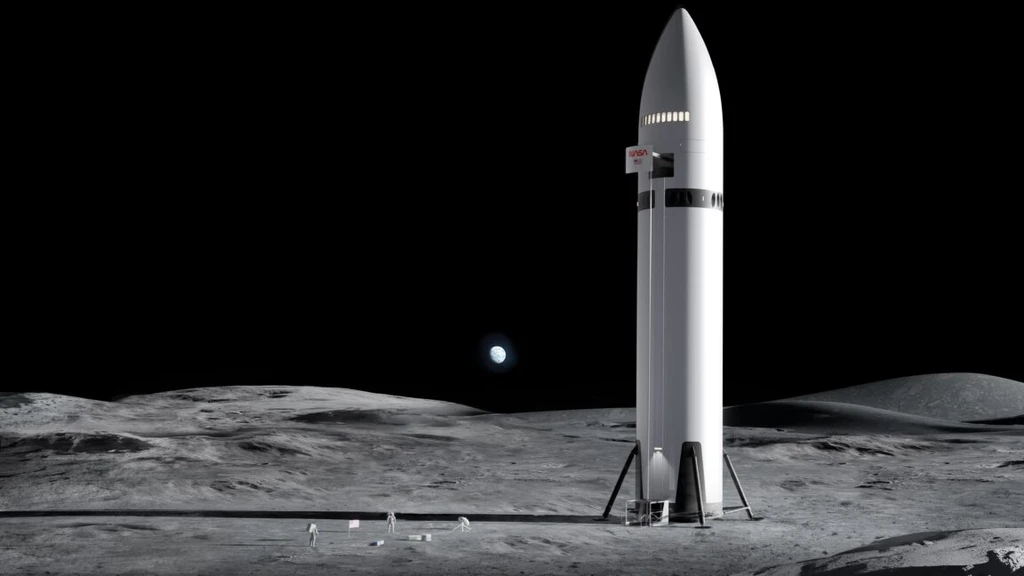
NASA is revamping its Artemis Program to accelerate lunar missions, focusing on increased launch cadence and surface activities. A significant challenge remains: the rendezvous strategy for lunar landers with the Orion spacecraft.
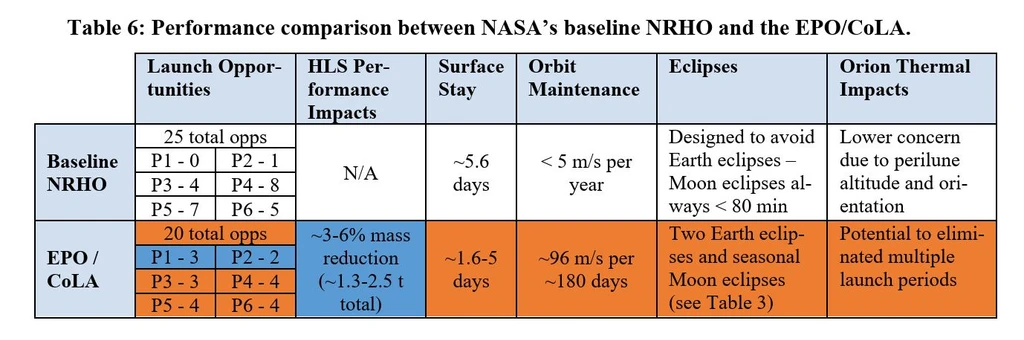
Previously, landers were slated to dock with Orion in a near-rectilinear halo orbit (NRHO), a plan complicated by the likely cancellation of the Lunar Gateway space station. This orbit required substantial energy. To address this, NASA is exploring new orbital rendezvous points, including an Elliptical Polar Orbit with Coplanar Line of Apsides (EPO/CoLA). This orbit allows for a closer approach to the Moon, reducing the energy required for landers like SpaceX's Starship and Blue Origin's Blue Moon MK2.
NASA Administrator Jared Isaacman has directed teams to streamline development and reduce obstacles for lander contractors. While SpaceX has indicated prioritization within its Starship program, Blue Origin is reportedly developing a faster architecture, potentially requiring fewer rocket launches.
The success of Artemis missions now hinges on the accelerated development and readiness of these lunar landers and their ability to adapt to new rendezvous protocols, aiming for a lunar return before China.