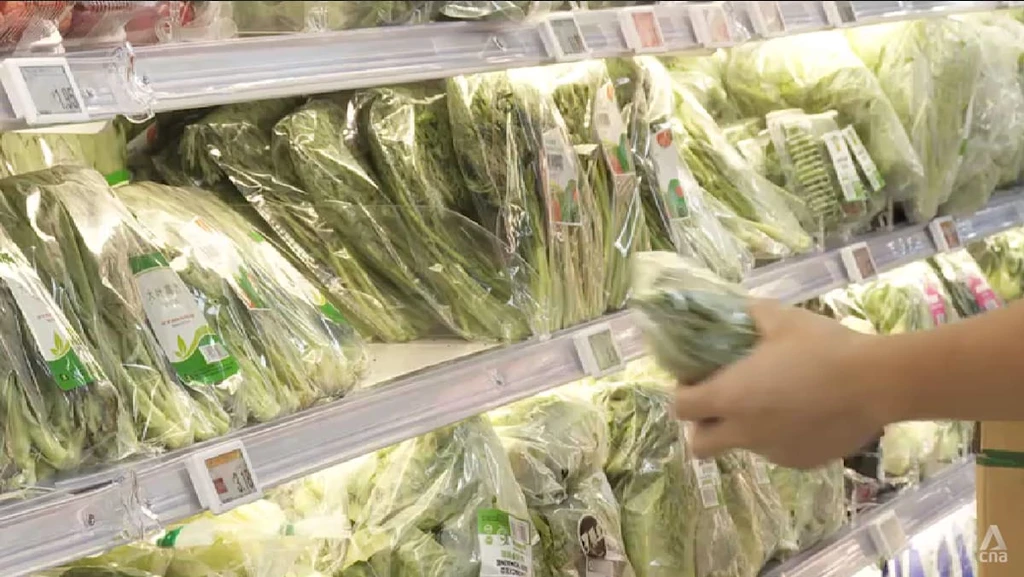
Nanyang Technological University (NTU) has developed a new artificial intelligence tool designed to help supermarkets and wholesalers extend produce freshness and significantly cut food waste. The AI model, created by NTU's Future Ready Food Safety Hub (FRESH@NTU), can predict bacterial growth in various food types. This capability allows retailers to optimize shelf life, storage conditions, and stock management.
This innovation is particularly impactful for Singapore, which imports 90% of its food. By more accurately tracking shelf life, the AI can reduce the frequency of stock replacement, thereby curbing waste and lessening reliance on constant imports. Researchers demonstrated the model's ability to estimate contamination levels of harmful pathogens under real-world supply chain conditions with enhanced precision. For instance, monitoring factors like temperature and moisture from slaughterhouses to retailers enables a more accurate assessment of meat freshness and safety.
The AI model offers a proactive approach to food safety, complementing existing guidelines. It provides clearer data on food changes throughout distribution chains, potentially lowering food poisoning risks. Professor William Chen, director of FRESH@NTU, highlighted that current methods for addressing foodborne incidents are reactive and resource-intensive. This AI-driven technology aims to shift towards prevention.
Furthermore, the tool can assist retailers in making more precise decisions about when food is no longer safe for sale, minimizing unnecessary disposal. It also holds the potential to reduce energy consumption in frozen storage. By enabling operators to assess if slightly higher temperatures can maintain food quality, such as adjusting from -20°C to -16°C, significant savings on energy bills can be achieved amid rising energy costs.
NTU is currently in discussions with supermarket chains, including Sheng Siong, for market trials expected to begin in the latter half of this year. The team also seeks partnerships with cold storage and stockpiling firms to bolster Singapore's food security.