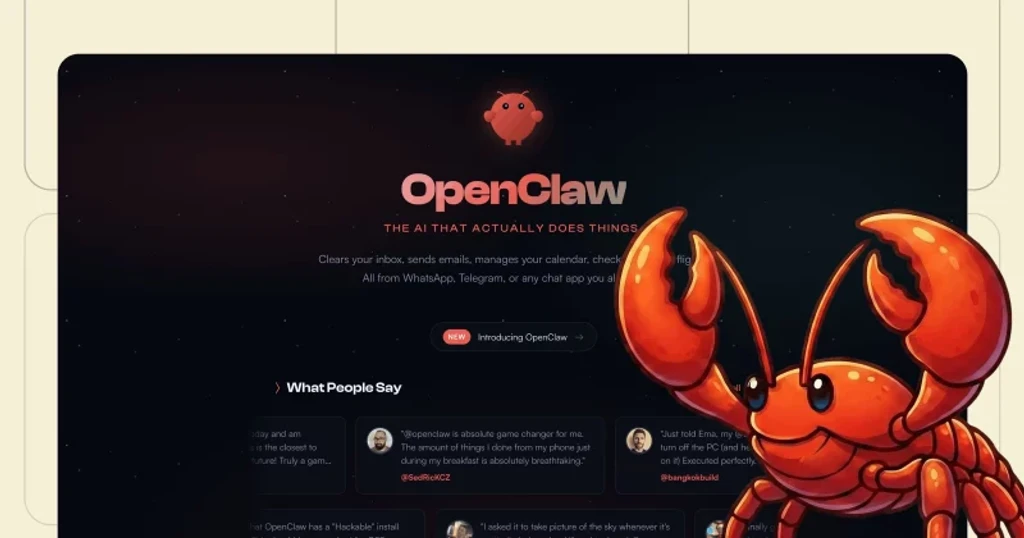
Two engineers behind OpenClaw, the popular autonomous messaging agent, are warning about a growing problem they call “vibe slop.” Mario Zechner and Armin Ronacher outlined their concerns in the Wall Street Journal, describing how developers increasingly rely on AI to generate code from casual prompts without proper review. The output may look functional, but it’s often a mess underneath.
The term combines “vibe coding” - using plain English prompts to let AI write software - with “AI slop,” the flood of low-quality AI-generated content online. The result: codebases that are fast to produce but expensive to maintain and potentially dangerous to run.
Ronacher reported a decline in code quality in serious projects, driven by “automation bias” - trusting machine output simply because it’s machine-made - and “review fatigue” from too many AI-generated pull requests.
The engineers flagged rising cloud costs as a key threat. Poorly written code runs less efficiently, consuming more compute resources. Startups heavily dependent on vibe coding may not survive as cloud expenses climb over the next few years.