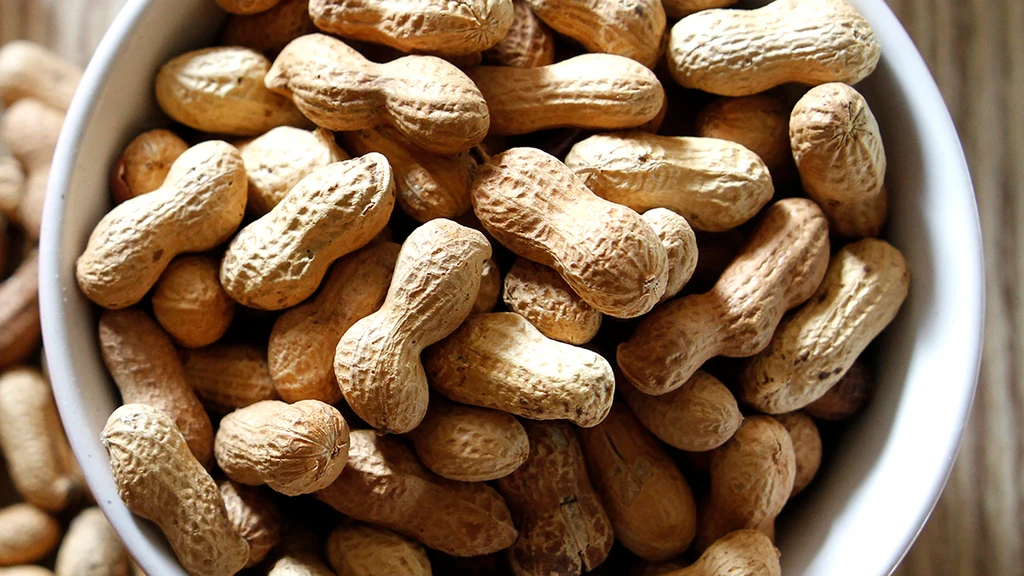
Worldwide peanut production generates over 10 million tons of shell waste annually. Now, researchers at the University of New South Wales (UNSW) have developed a method to transform this biomass into high-quality graphene.
Graphene-often called a 'wonder material'-is super strong, lightweight, and an excellent conductor of electricity and heat. However, traditional production is energy-intensive and costly.
The UNSW team discovered that peanut shells, rich in carbon-laden lignin, can be converted into graphene using flash joule heating (FJH). The process involves staged pretreatment: indirect Joule heating at 500°C for 5 minutes, followed by a rapid high-temperature flash exceeding 3,000°C.
This method produces few-layer turbostratic graphene with minimal defects, offering superior electrical and thermal conductivity-without chemicals or high environmental cost.
While scaling will take three to four years, the team plans to test other organic waste like coffee grounds and banana peels. The process balances energy efficiency, quality, and economic viability.
Published in Chemical Engineering Journal Advances, the research marks a leap in sustainable nanomaterials.