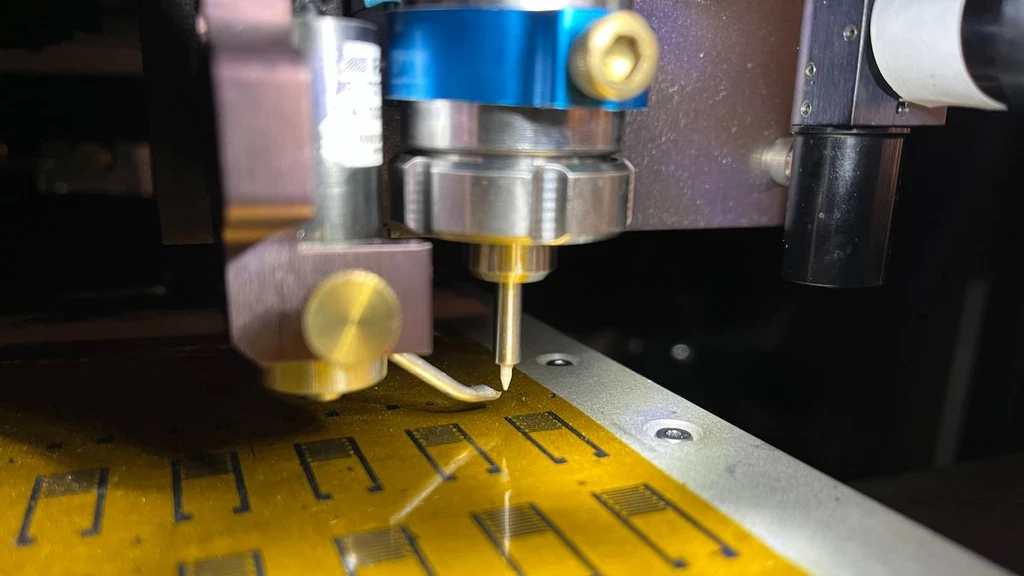
Engineers have successfully printed miniature artificial neurons designed to communicate with mouse brain cells. This innovation holds significant promise for advancements in computing and medicine.
The research aims to replicate the brain's complex processes, offering an energy-efficient alternative to traditional digital computing. Experts suggest this technology could lead to enhanced brain-computer interfaces for controlling prosthetics or assistive devices, and potentially offer treatments for neurodegenerative diseases like Alzheimer's.
Unlike rigid silicon chips, the new artificial neurons are built on flexible polymer substrates using printed electronic inks. These inks contain molybdenum disulfide and graphene, allowing for a unique 'snap back negative differential resistance' mechanism that mimics the spiking patterns of biological neurons.
In lab tests, these artificial neurons successfully fired in sync with mouse brain cells, indicating that the biological tissue could interpret their signals. While still in early stages, the technology represents a critical step towards integrating artificial components with living neural networks.