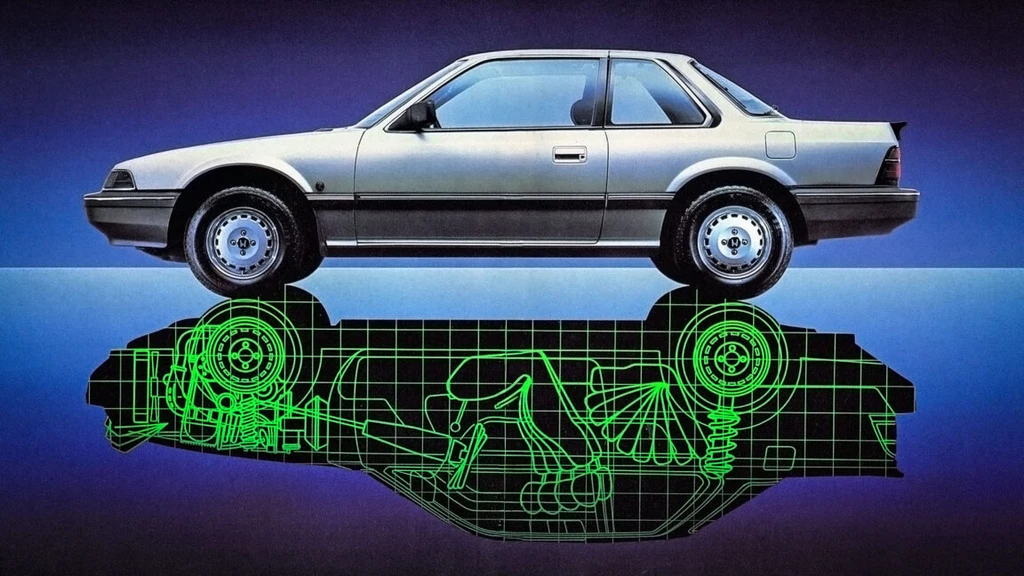
The Honda Prelude was never just a car-it was an engineering thesis disguised as a coupe: compact, technical, and purposeful. First launched in 1978 amid economic turbulence and oil shocks, it distilled Honda’s belief in clever packaging and mechanical elegance.
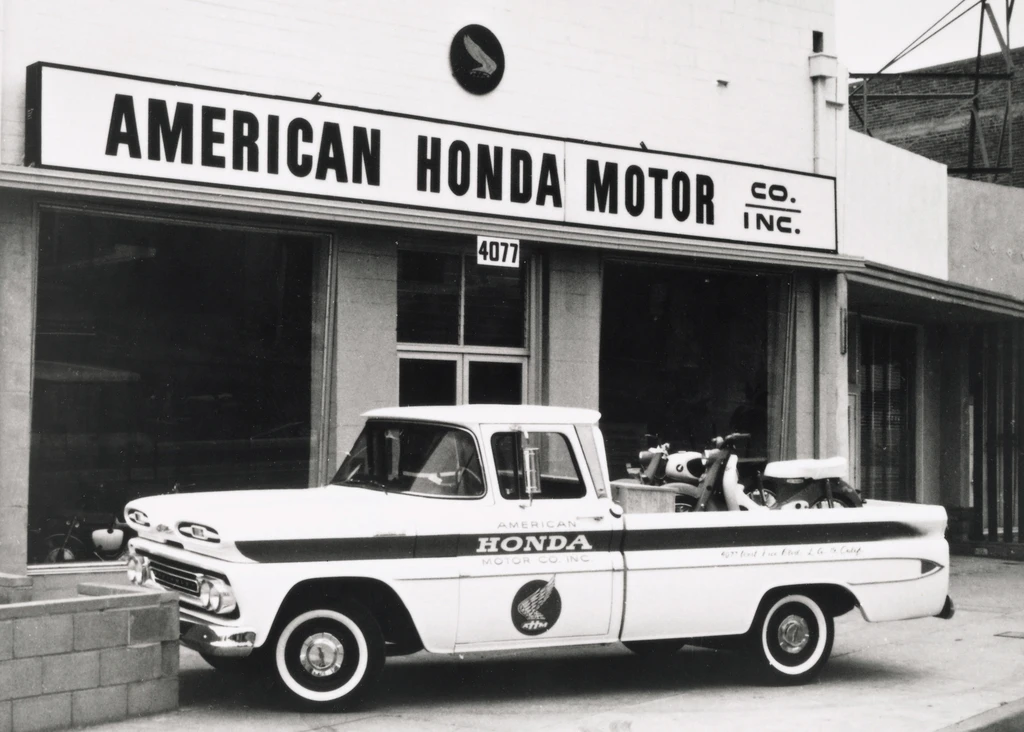
Born from Honda’s post-Bretton Woods reinvention, the original Prelude borrowed Accord underpinnings but sharpened them into a tighter, more intentional form. Modest power-72 hp-meant early sales were slow, but Honda persisted.
By 1983, the wedge-shaped second generation arrived with pop-up headlights and 100 hp. The 1985 Si pushed output to 110 hp, entering serious sport-compact territory. Then came the 1988 third-gen model-the first U.S. car with four-wheel steering-enhancing agility at low speeds and stability at high ones.
The 1993 VTEC model introduced Honda’s revolutionary variable valve timing, delivering dual engine personalities: efficient at low revs, urgent when pushed. Its 190-hp 2.2L engine marked the Prelude’s peak as a technological showcase.
But by 1997, ambition narrowed. Four-wheel steering vanished. The Type SH’s torque-vectoring system proved too complex and costly. Sales dwindled amid rising SUV demand and internal competition from the Accord and Integra coupes. Production ended in 2001 after 826,000 U.S. units.
Now, after 25 years, the Prelude returns for 2026-not out of nostalgia, but strategy. Built on a shortened Civic platform, powered by a Civic Hybrid drivetrain, and tuned with Civic Type R suspension, it’s a cost-conscious halo car. Honda targets just 4,000 annual sales in an SUV-dominated market, testing whether legacy innovation can still turn a modest profit.
In an era defined by software, batteries, and geopolitics, the new Prelude remains true to its roots: a disciplined experiment wrapped in sheet metal.