Solar is one of the world's fastest-growing renewable energy sources, helping Europe reduce reliance on fossil fuels. A recent analysis from SolarPower Europe found that solar saved the continent over €100 million per day in March by lowering demand for imported gas.
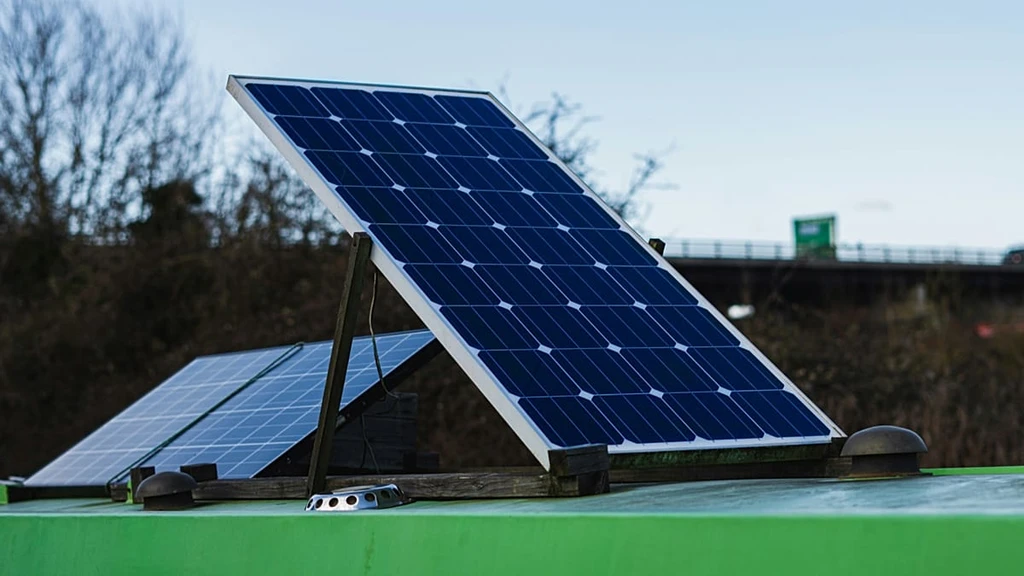
While traditional rooftop panels and large-scale farms dominate solar generation, plug-in alternatives are gaining attention. Popular in Germany, these small devices can be attached to balconies, terraces, and shed roofs. They don't require professional installation in some European countries and connect directly to a mains socket.
The main advantage is avoiding the high upfront costs of rooftop solar-typically around €200 in Germany. However, their output is significantly smaller, meaning less impact on energy bills.
The UK recently approved plug-in solar panels for sale in supermarkets, with Energy Secretary Ed Miliband calling it a step toward energy sovereignty. Priced between £400 and £500, each panel could save the average UK household £70 to £110 per year, according to Uswitch energy expert Natalie Mathie.
"Payback isn't immediate," Mathie said, adding that poor orientation, shade, and weather can limit power generation. For maximum savings, households must run appliances during sunniest hours. EU-rated panels generate 400 to 500 watts; in Germany, max inverter output is 800 watts.
Mathie explained this can power always-on devices like fridges and slow cookers (about 300 watts) but likely not high-draw appliances like a 1.4kW air fryer or 1kW air conditioning unit.