The Supreme Court ruled unanimously that Internet service providers (ISPs) are not liable for their customers’ copyright infringement unless they actively encourage or tailor services for piracy. The decision in Cox Communications v. Sony Music Entertainment favors Cox, rejecting Sony’s attempt to hold ISPs responsible for users’ illegal downloads.
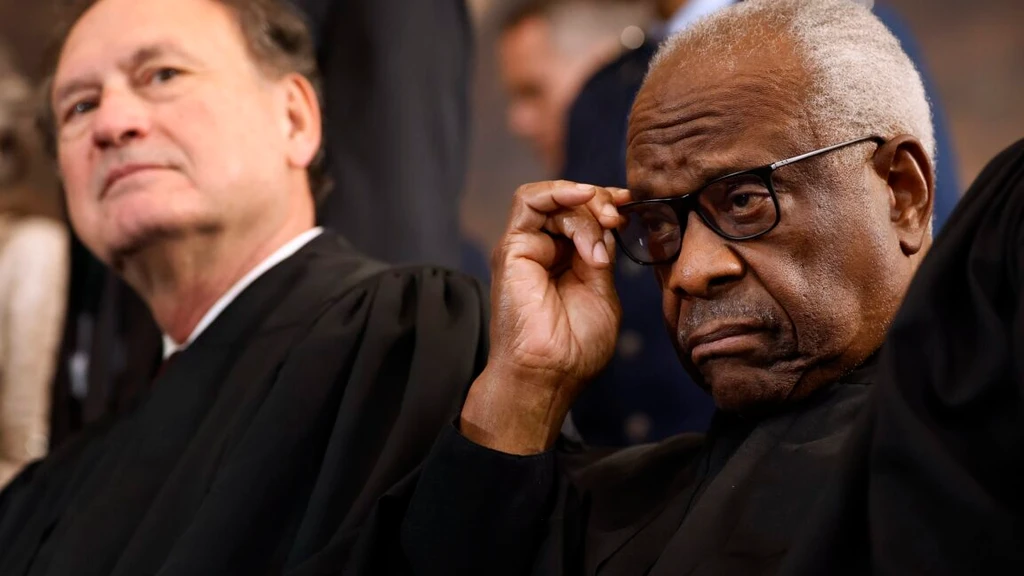
Justice Clarence Thomas, writing for the majority, emphasized that ISPs like Cox do not induce infringement and provide services with substantial noninfringing uses. The court cited the 1984 Sony v. Universal City Studios case, which established that companies are not liable for general use of their products, even if some users infringe.
Cox hailed the ruling as a victory for the broadband industry and consumer rights, stating ISPs should not act as copyright enforcers. The Recording Industry Association of America (RIAA) expressed disappointment, arguing the decision limits protections for copyright holders.
Justice Sonia Sotomayor concurred but criticized the majority for limiting secondary liability, saying it undermines the DMCA’s incentive structure for ISPs to prevent infringement. The ruling reaffirms that ISPs are not required to terminate users based on single infringement notices.