You bought the hardware. But a software update can later turn your device into a billboard. This is the new reality for owners of smart refrigerators, connected cars, and even computers running Windows 11.
The update arrives to fix bugs or add features. Then, one day, promotional content appears on a screen you thought you owned. Companies are using software to claim advertising space in your kitchen, car, and home office.
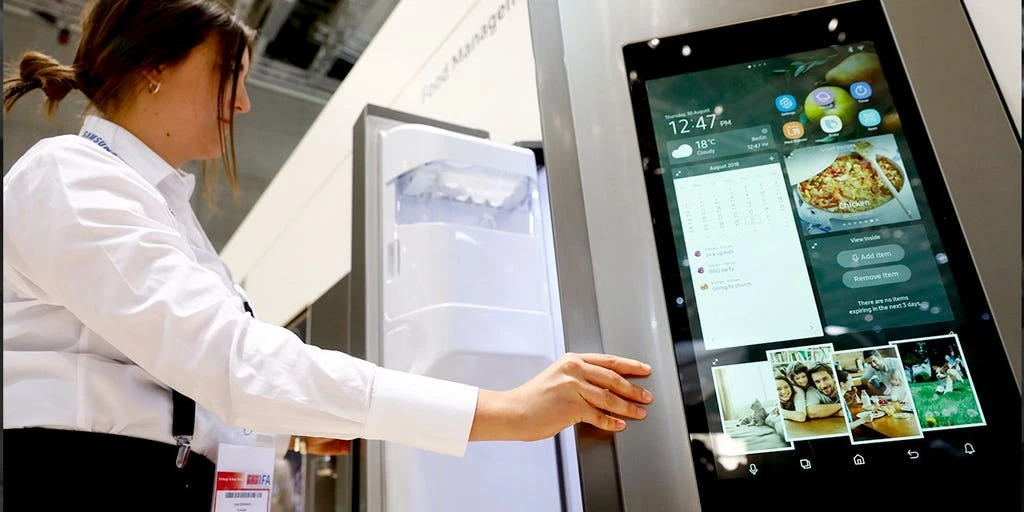
The Kitchen: Samsung's Family Hub Samsung's connected refrigerators began showing ads on their idle 'Cover Screens' in the U.S. The company states the feature can be turned off in settings without disabling other functions, but the fact remains: a purchased appliance's interface was changed after the sale.
The Driveway: Stellantis Vehicles Drivers of some Jeep, Ram, and Chrysler models previously saw promotional messages on their infotainment screens via the Uconnect system. Stellantis confirms it has not run these promotions since mid-fall 2025 and has none planned, but the capability exists. The dashboard screen can be altered remotely.
The Home Office: Windows 11 Microsoft's operating system can display ads and suggestions on the lock screen, Start menu, and in account notifications. These can look like urgent alerts for services like OneDrive. While settings exist to reduce them, the operating system itself is now a potential ad channel.
The Core Issue The problem is not a single ad. It is the shift in ownership models. A product's function can be altered post-purchase. Consumers must now routinely check settings menus for ads, recommendations, and personalization options after every major update. The screen you paid for has become a controlled channel for the company that sold it to you.