
Valve’s SteamOS has achieved something rare: chipping away at Windows' near-total dominance in PC gaming. Linux’s share on Steam rose from under 1% to over 5% in five years. But that progress has hit a hard wall.
The problem is not software - it’s hardware. A massive surge in demand for memory, storage, and GPUs - driven by the generative AI boom - has shot component prices through the roof. This has crippled low-margin systems like game consoles and handhelds. Valve’s upcoming Steam Machine is delayed indefinitely, and the Steam Deck itself is nearly impossible to buy. Even third-party manufacturers have raised prices or canceled products.
Valve’s only shippable hardware this year? The new Steam Controller - which, as executives noted, “doesn’t have RAM in it.”
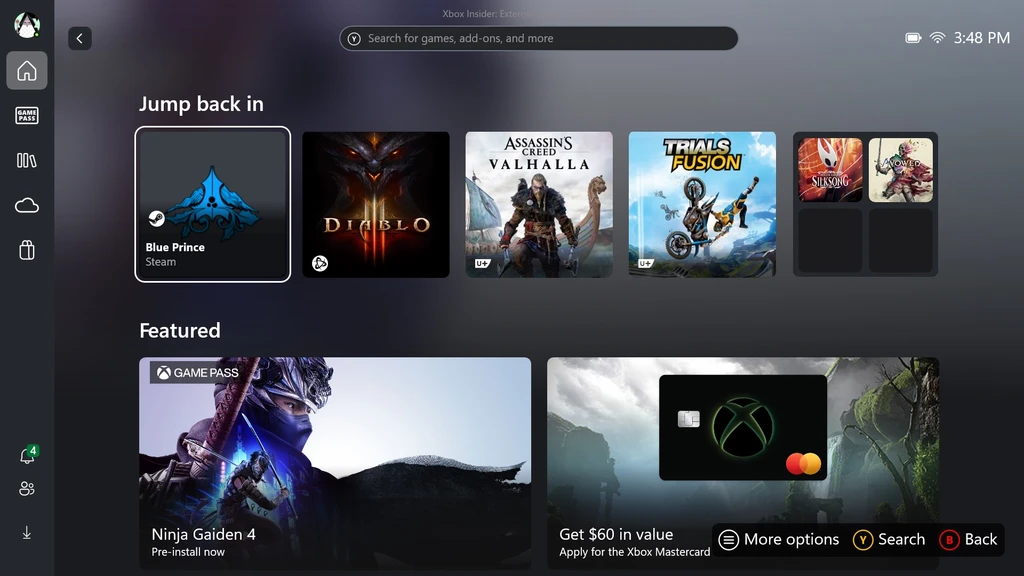
This pause gives Microsoft a critical window to respond. Internally, Microsoft’s “Windows K2” initiative aims to improve gaming performance, reduce memory usage, remove ads, and streamline updates to close the gap with SteamOS. The company is also rolling out Xbox Mode to all Windows 11 PCs - a controller-centric interface that frees up system resources for games, though early reviews say it still feels less polished than SteamOS.
For now, Valve’s software work continues - including progress on improving GPU support for 8GB cards. But without hardware to deliver it, the company’s assault on Windows has stalled. If Microsoft uses this time effectively, it may keep the PC gaming fortress intact.