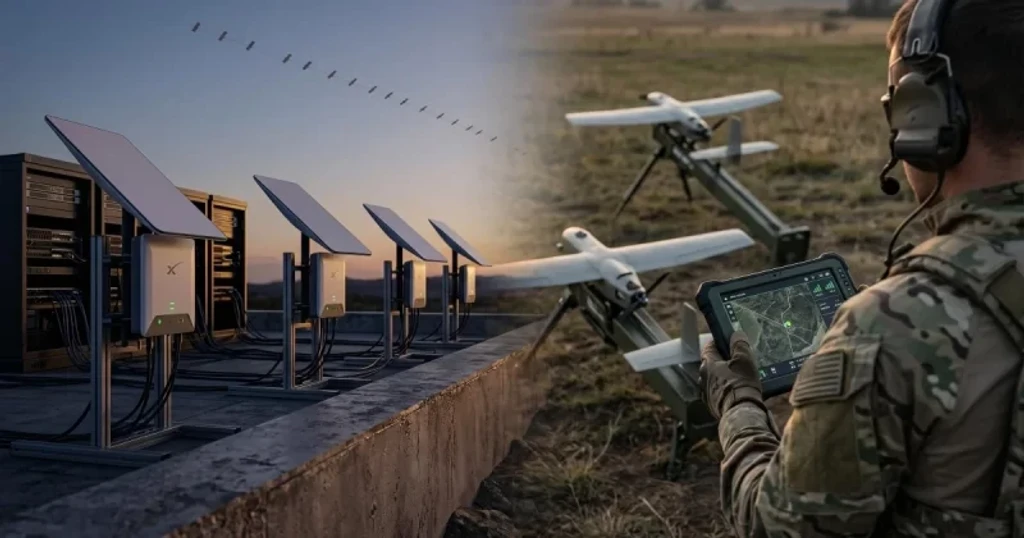
SpaceX has put a hefty price tag on providing internet access to Iranian civilians during government-imposed blackouts. The company proposed charging the Pentagon $500 million upfront, plus $100 million per month, to launch and operate a direct-to-cell Starlink service in Iran. The Department of Defense is pushing back on the cost.
Direct-to-cell technology allows satellites to communicate with ordinary smartphones on the ground, no special terminal required. The monthly fee alone would total $1.2 billion per year.
This is not the first pricing dispute between the two. SpaceX recently raised terminal fees for military operations from roughly $5,000 to $25,000 per month, a fivefold increase. Those terminals support LUCAS suicide drones used in the US bombing campaign against Iran that began in late February 2026. The Pentagon initially resisted but eventually accepted the new terms.
Pentagon documents also indicate plans for over 3,500 additional Starshield subscriptions-the military-specific Starlink variant-potentially worth hundreds of millions annually.
Why SpaceX can command such prices: Starlink generated $11.4 billion in revenue in 2025, with government contracts accounting for only about 20% of that. The company’s constellation of approximately 10,000 satellites now represents over 60% of all satellites in orbit. No competitor comes close. SpaceX is also preparing for a major IPO in June 2026, giving it access to even more capital-and even less reason to offer the Pentagon a discount.