SpaceX is preparing to build a constellation of solar-powered AI data centers in orbit to address surging global electricity demand for computing. The company filed with the FCC in January 2026 for authorization to launch up to one million satellites.
The logic for moving servers to space is straightforward. Solar energy in orbit is abundant and uninterrupted. Cooling hardware in the vacuum of space eliminates a massive terrestrial operating cost.
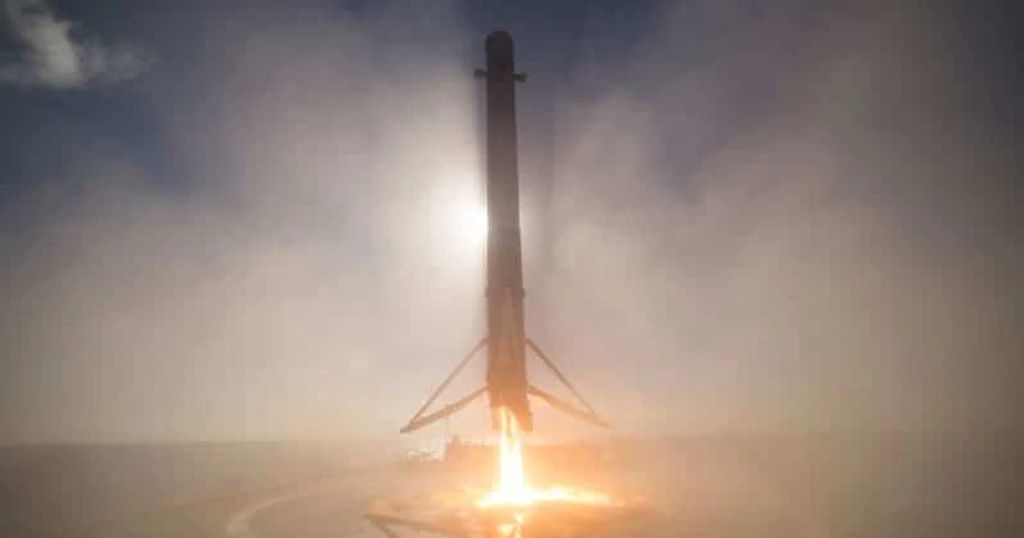
Elon Musk confirmed internal designs for the satellite, called AI1, are simpler than Starlink units. Mass production is targeted for the end of 2027, with initial AI computing tests planned for the same period. The reusable Starship rocket is key to the economics, potentially enabling the company to add tens of gigawatts of capacity at minimal marginal launch costs.
The venture could become a major narrative for a future SpaceX IPO.
Competitors are already active. Nvidia-backed Starcloud successfully operated an H100 GPU in orbit in late 2025. Google runs Project Suncatcher for sun-synchronous compute satellites and has reportedly engaged SpaceX for launch support. Blue Origin and startups like Axiom Space are also pursuing similar infrastructure.
Immediate viability is unproven, given latency issues, radiation exposure, and survival of launch forces. Yet with global data center electricity projected to reach 1,200 to 1,700 terawatt-hours by 2035, or 4% of global consumption, governments are pushing back on grid-straining construction. This constraint favors vertically integrated players like SpaceX, which controls its own launch and manufacturing.