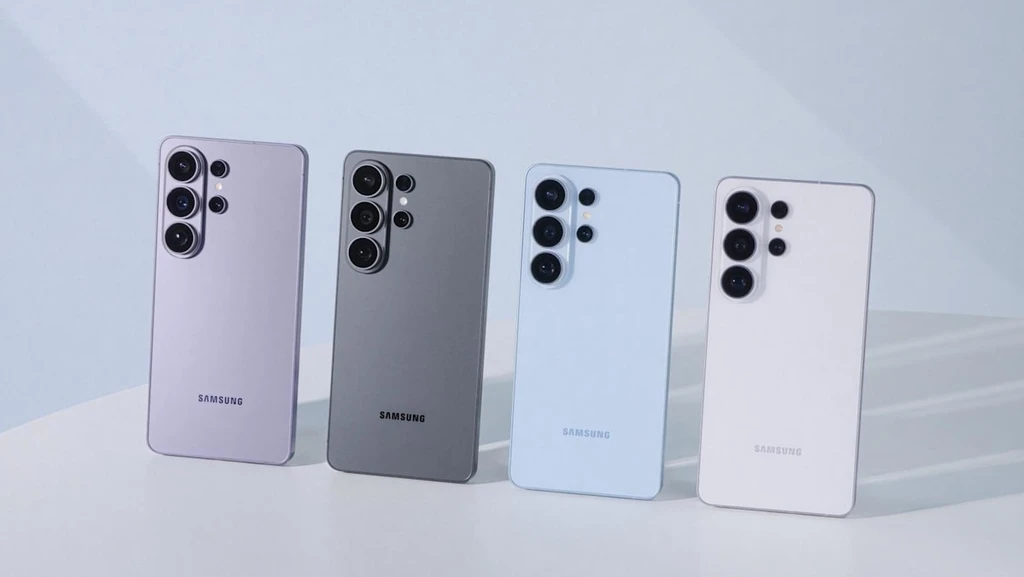
Samsung's latest flagship, the Galaxy S26 Ultra, was tested over a month to assess its real-world performance. While incremental hardware upgrades are present, the focus is on software and AI enhancements.
The device features a largely similar camera system to its predecessor, with key improvements in aperture size for potentially brighter images. Powered by the Snapdragon 8 Elite Gen 5 for Galaxy, it boasts significant performance boosts in CPU, NPU, and GPU.
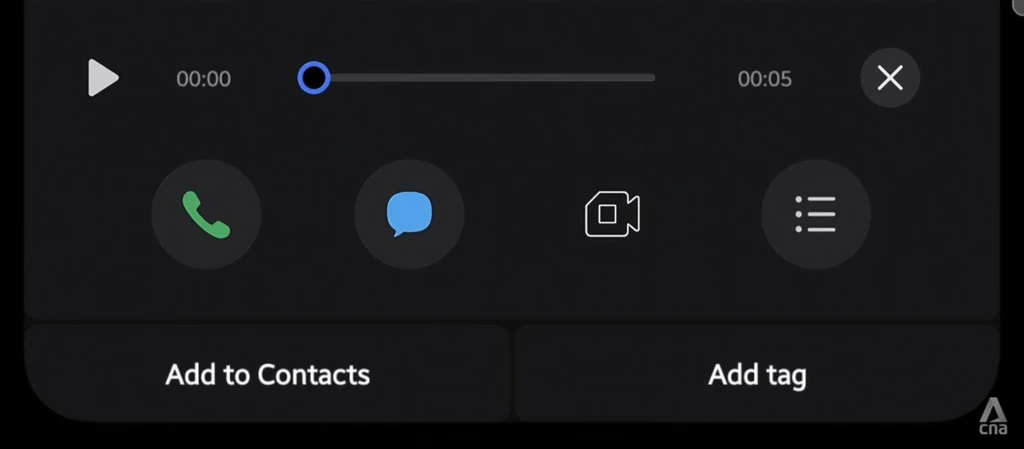
Key AI features include Photo Assist for text-based image editing and AI-assisted call screening. The touted Privacy Display aims to limit screen visibility from side angles, though its effectiveness and practicality against physical screen protectors are debated. The display also becomes noticeably dimmer when activated.
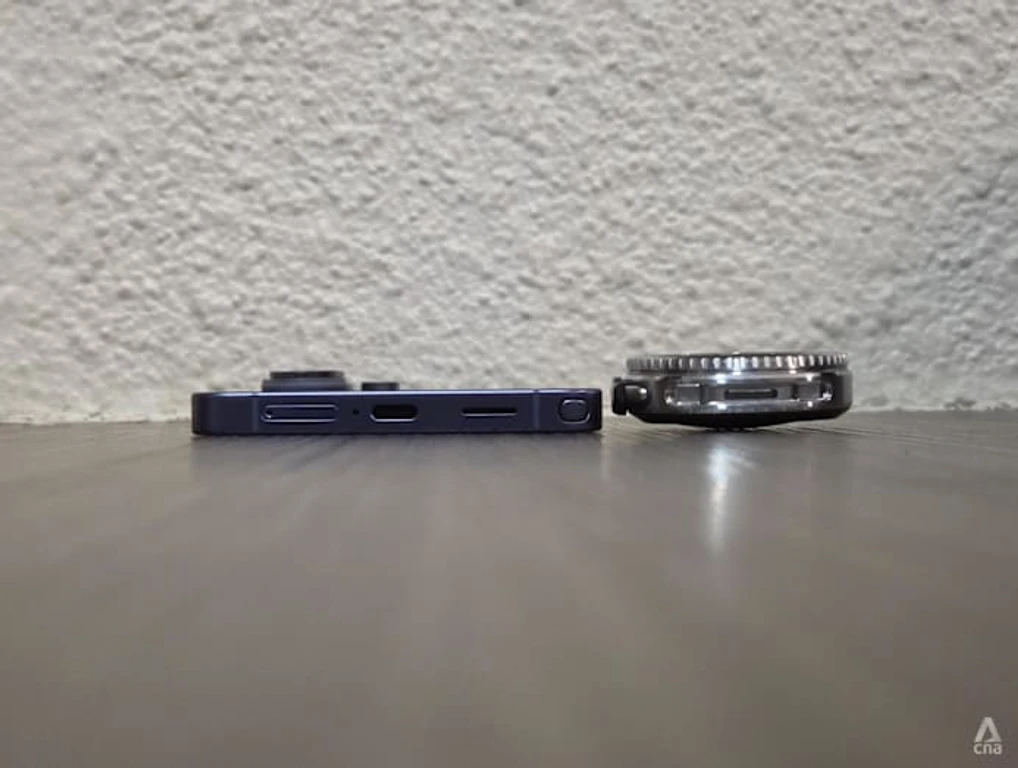
The camera system, while powerful, is deeply integrated into advanced modes like Expert Raw and Pro Video. Default modes can result in oversaturated images, particularly in indoor, low-light conditions. Expert Raw offers extensive customization, enabling professional-grade photography, including simulated aperture control for portrait shots.

AI features like Call Screening proved surprisingly effective at filtering unwanted callers. The updated Audio Eraser, working in real-time across various apps, significantly reduces background noise in streamed videos. The 5,000mAh battery delivers over 13 hours of regular use, exceeding previous models.
The S26 Ultra is a superb all-rounder, performing well across the board. However, for users with recent Ultra devices, the incremental hardware upgrades may not justify an immediate upgrade, especially as many software features are expected to trickle down to older models. It remains a worthwhile purchase for those needing a significant phone upgrade.
