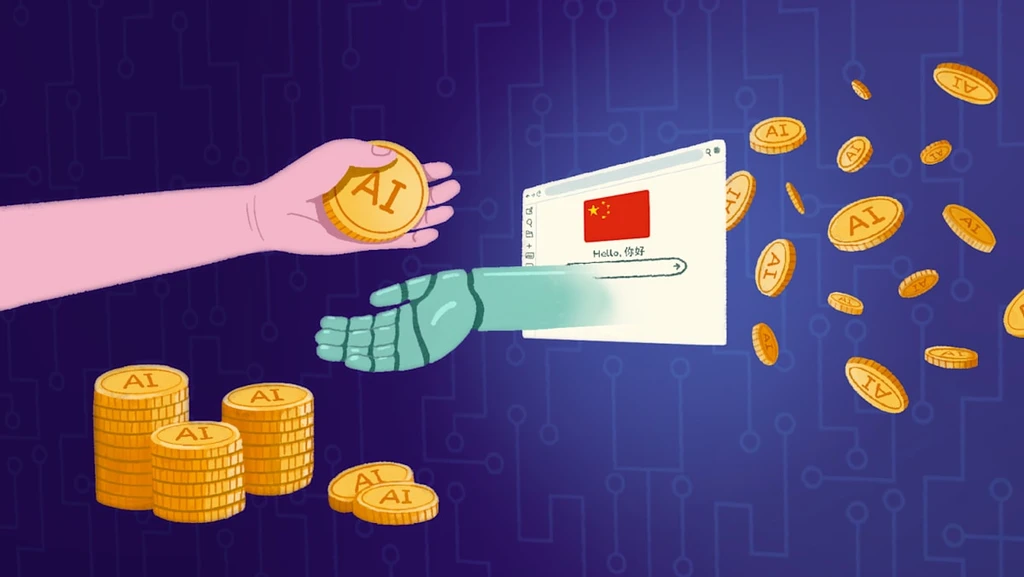
The future of artificial intelligence increasingly hinges on tokens, the fundamental units of data that models use to process information. Much like kilowatt-hours measure electricity, tokens are becoming the standard metric for pricing and valuing AI services globally.

China is aggressively capitalizing on this shift by building a comprehensive token economy. Daily token usage in the nation surpassed 140 trillion in March, marking a 40 percent increase from late last year. To support this scale, Beijing has formally adopted the term ciyuan, linguistically linking AI tokens directly to the national currency to signal their economic value.
State-backed telecom giants are already monetizing this infrastructure. China Telecom recently unveiled nationwide token-based subscription plans ranging from consumer tiers to enterprise packages supporting millions of tokens monthly. This move effectively treats AI compute as a public utility, mirroring traditional energy or data billing models.
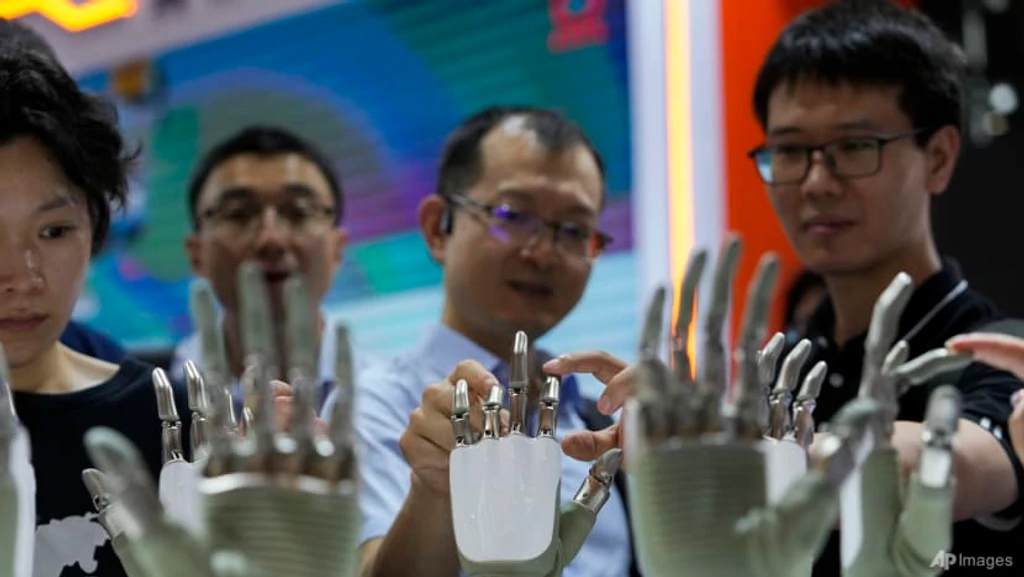
However, this rapid expansion introduces significant security vulnerabilities. The Ministry of State Security has warned of token theft, forgery, and fraud schemes repackaging tokens as investment products. As AI agents integrate deeper into financial and operational workflows, tokens function as sensitive credentials, expanding the attack surface for cybercriminals.
Experts emphasize that long-term success depends as much on governance as technological capability. Without robust safeguards and adaptive regulation, the economic benefits of mass tokenization could be undermined by data breaches and systemic trust failures.