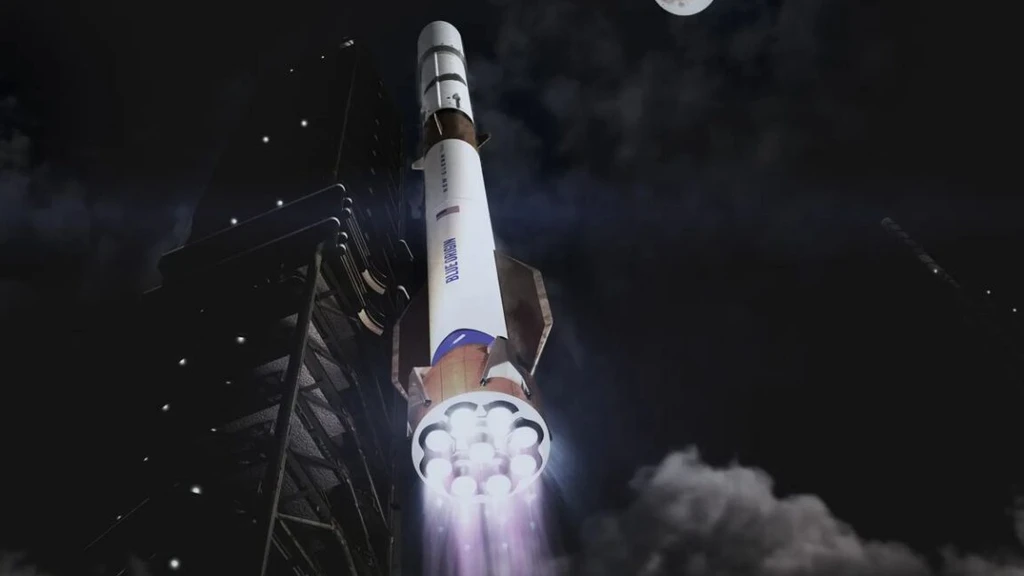
The catastrophic explosion of a Blue Origin New Glenn rocket at Launch Complex 36A has triggered serious concerns about the timeline for returning humans to the Moon.
During a recent Ars Technica discussion, space industry experts assessed the damage. Eric Berger reported that Blue Origin's lunar lander architecture requires a more powerful, never-flown variant known as the 9x4. This version features nine first-stage and four upper-stage engines. The target for its debut is late 2027 or early 2028.
Caleb Henry, director of research at Quilty Space, expressed deep skepticism about meeting those dates. He noted that rocket development timelines historically slip by at least a year and a half. Adding engines, he argued, increases technical complexity rather than reducing it.
Anthony Colangelo, host of the Main Engine Cut Off podcast, went further, suggesting the 9x4 variant's development could realistically slip into the 2030s. This prognosis places NASA's goal of an Artemis IV human landing this decade in significant jeopardy, with both Blue Origin and SpaceX facing immense pressure to deliver viable solutions.