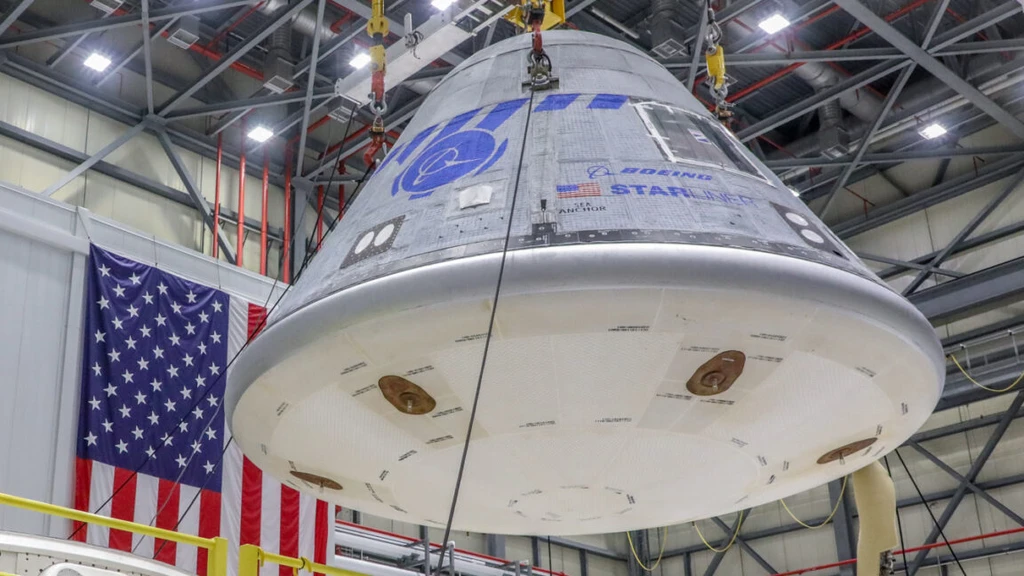
A new audit from NASA’s inspector general paints a grim picture for Boeing’s Starliner spacecraft. The report suggests the troubled crew capsule will likely not receive human-rating certification until 2027. That target places the program a full decade behind its original 2017 schedule.
With the International Space Station currently set for retirement in 2030, this leaves a narrow window for operational missions. The audit cites unresolved helium leaks and overheating thruster anomalies as the primary technical barriers. These issues trace back to the spacecraft’s Crew Flight Test in 2024, which forced astronauts Butch Wilmore and Suni Williams into an unplanned nine-month orbital stay.
The inspector general attributed the delays to “overconfidence” in heritage systems and unrealistic scheduling. Consequently, NASA has stripped Boeing of several guaranteed crew rotation flights, reducing the contract’s value by roughly $500 million and redesignating the next mission as cargo-only.
NASA Administrator Jared Isaacman formally classified the 2024 flight as a serious “Type A” mishap earlier this year. To fill the gap, the agency has been forced to purchase additional crew transportation from SpaceX, incurring hundreds of millions in unbudgeted costs to keep the station fully operational.