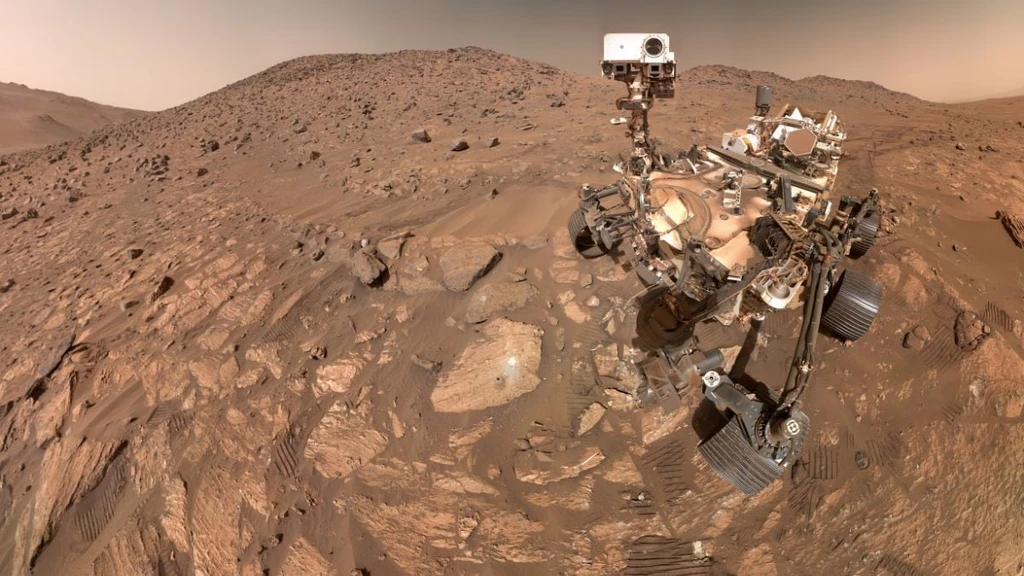
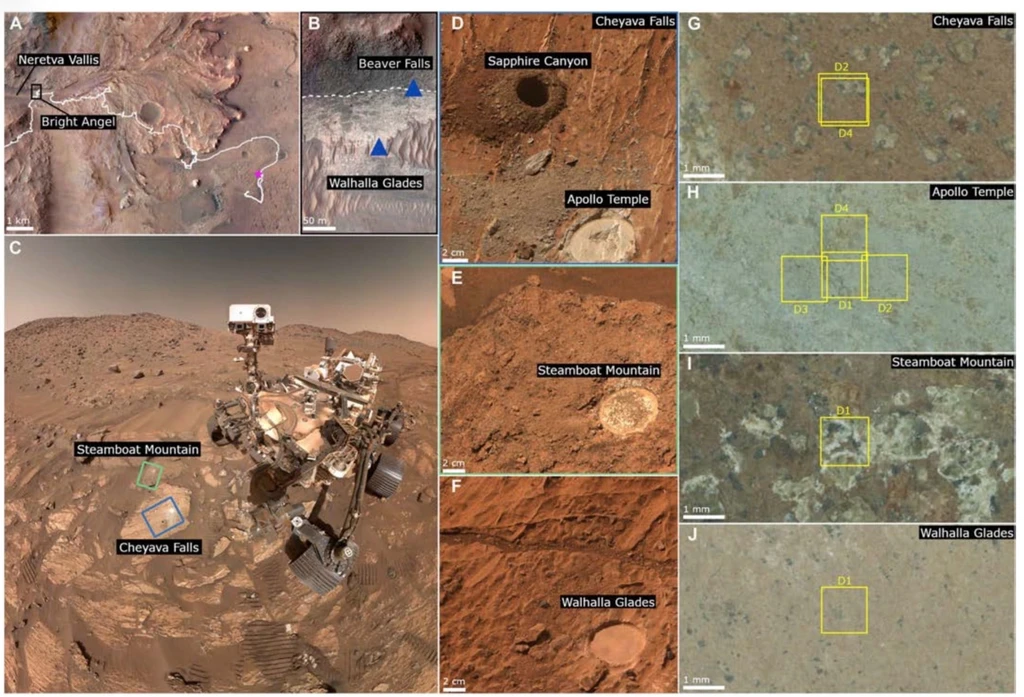
NASA's Perseverance rover has uncovered complex organic compounds in the 'Cheyava Falls' rock at Jezero Crater, the site of an ancient lake. Using the SHERLOC instrument, scientists identified macromolecular carbon (MMC) on a dust-cleared surface-the shallowest detection of organics yet on Mars.
The discovery supplements carbonates, sulfates, and phosphates already found in the area. Together, they suggest the conditions and chemical building blocks for life may have been common on Mars billions of years ago. The MMC is amorphous carbon, spectrally similar to coal and microbial mats on Earth, but its origin-biological or abiotic-remains unknown.
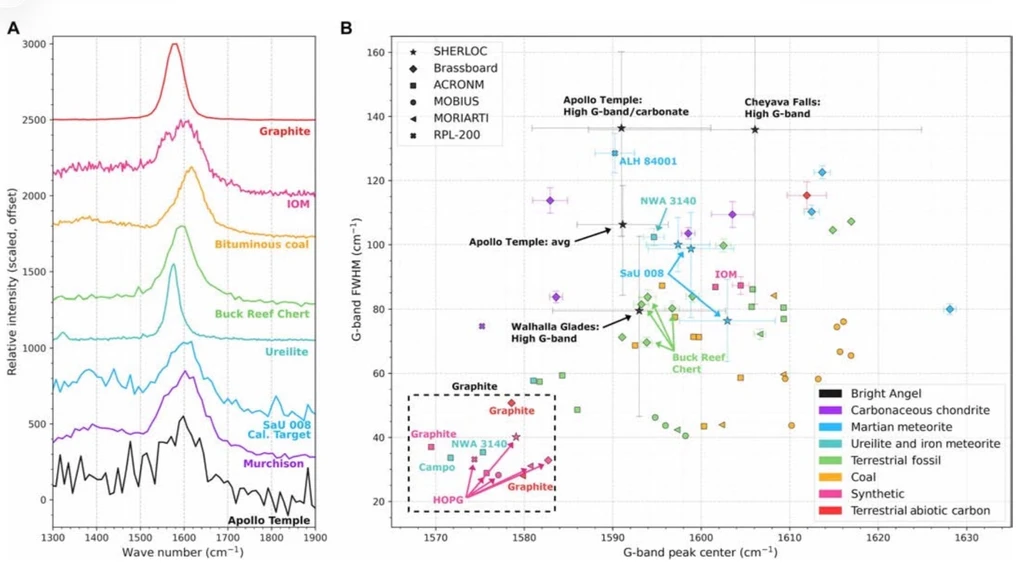
Researchers emphasize that current instruments cannot determine if the organic carbon came from past life, meteorites, or volcanic activity. A future Mars sample return mission will be necessary to unlock the answer. The study was published in Science Advances.