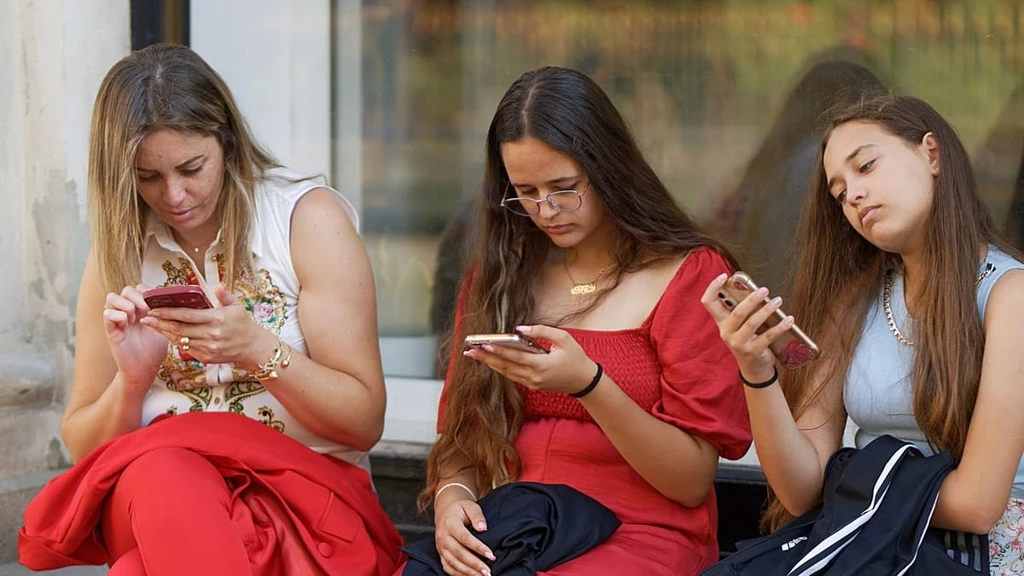
From viral trends to AI-driven content, children's lives are increasingly shaped by digital experiences. Concerns over excessive screen time and harmful effects have led to global regulatory efforts. Australia became the first country to ban social media for under-16s, restricting access to platforms like Facebook, TikTok, Instagram, and YouTube. Europe is following suit, with Austria considering a ban for under-14s and the European Parliament proposing an EU-wide minimum age of 16. A recent U.S. ruling found Meta guilty of knowingly harming children's mental health.
France: Margot, a Lyon resident, supports restrictions but believes parents and schools should educate minors about online dangers. Hanif Ibrahim argues that gradual exposure is key to developing responsible digital users.
Belgium: Alexandra Barilova advocates for bans across Europe due to social media's psychological impact. Sorengo Guie, a nurse, highlights rising depression among young people linked to online harassment and unrealistic standards.
United Kingdom: Tyler opposes outright bans, noting tech-savvy teens can bypass restrictions using VPNs. He favors stricter regulation by platforms themselves.
Portugal: The government approved a bill to restrict free access for under-16s unless parentally verified. Lisbon residents agree on the need for protection but emphasize individual contexts and parental involvement.