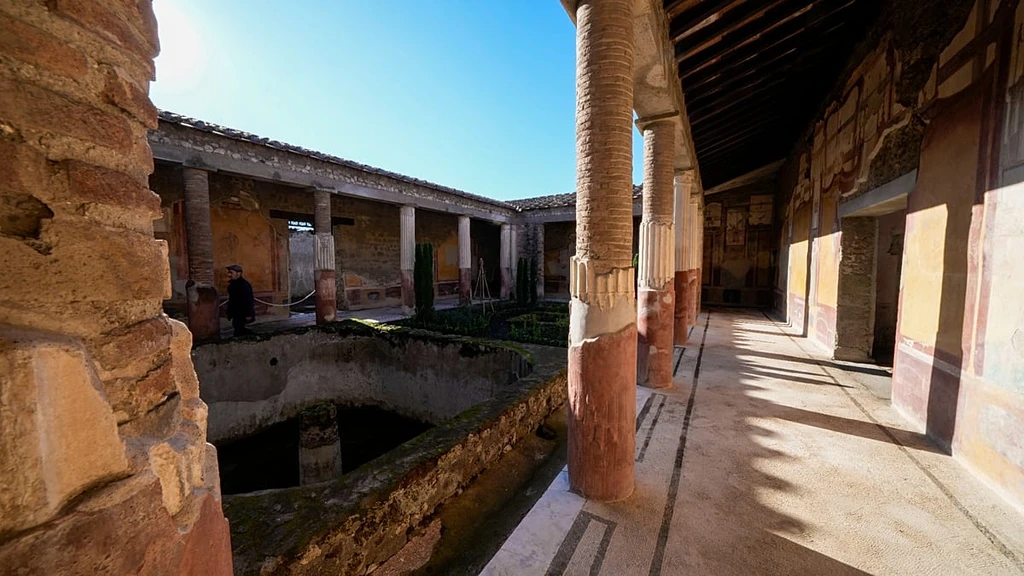
Millions visit Pompeii annually, yet few notice the solar panels powering the ancient Villa of the Mysteries. Park Director Gabriel Zuchtriegel confirms these photovoltaic units mimic Roman tiles while generating essential electricity for the site. Officials now plan to extend this grid-independent solution across the archaeological park.
Évora, Portugal, has adopted similar technology to protect its UNESCO World Heritage status. The City Hall rooftop features semi-transparent epoxy shingles with embedded solar cells, providing 20 kWp of self-consumption power. Project manager Humberto Queiroz notes these materials blend seamlessly into historic architecture while supporting decarbonization goals.
Italian manufacturer Dyaqua produces these specialized resin tiles by encapsulating soldered photovoltaic cells within a custom compound. This manufacturing process creates durable, aesthetically neutral energy sources suitable for delicate environments. Zuchtriegel asserts that successful deployment in Pompeii proves the technology’s viability for heritage sites worldwide.
Through the EU-funded POCITYF project, Évora and Alkmaar, Netherlands, are testing additional innovations like glass-integrated panels and solar canopies. These pilot programs aim to establish scalable models for reconciling historic preservation with modern sustainability mandates across Europe.