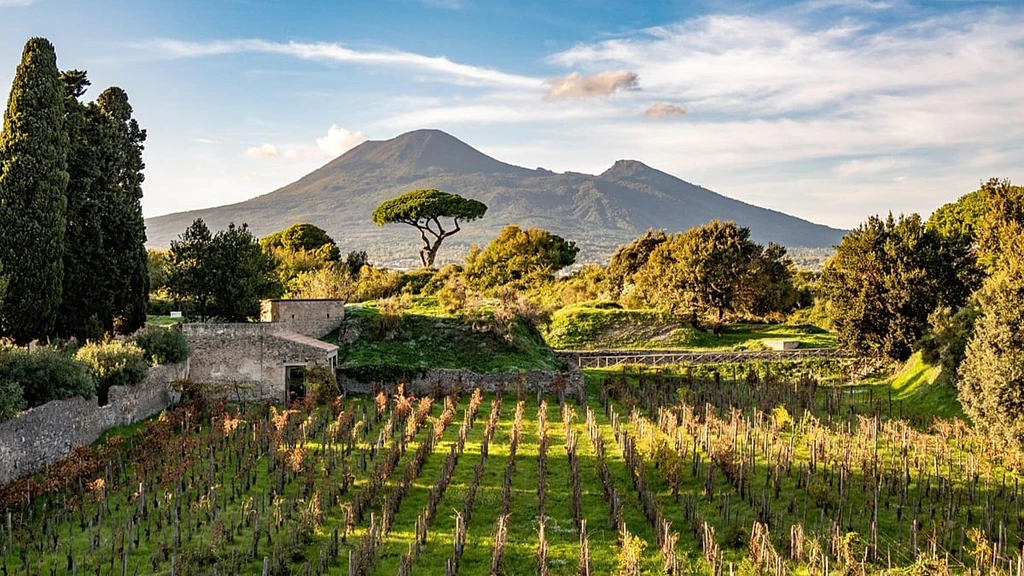
Dozens of grapevines have been planted within the ruins of Pompeii as part of a project to produce wine using ancient Roman methods. The effort revives a 2,000-year-old tradition buried under volcanic ash since Mount Vesuvius erupted in 79 A.D.
Archaeologists uncovered frescoes, ceramic storage jars, and amphorae that confirm wine's central role in Roman daily life and trade. Wine was consumed by soldiers, spiced and heated, and exported across the Mediterranean.
Gabriel Zuchtriegel, Director of the Archaeological Park of Pompeii, said the vineyards reduce maintenance costs and reconnect visitors to the agricultural roots of the ancient city.
The project uses the Aglianico grape, introduced from Greece in the 7th century B.C., known for its resilience and depth. Sustainable farming practices are being applied in partnership with Italian winemaker Feudi di San Gregorio.
The collaboration will produce approximately 30,000 bottles annually, sold at the park and online-offering a tangible link to antiquity.
Wine from this historic site is more than a product-it’s a cultural revival rooted in archaeology, environment, and economy.