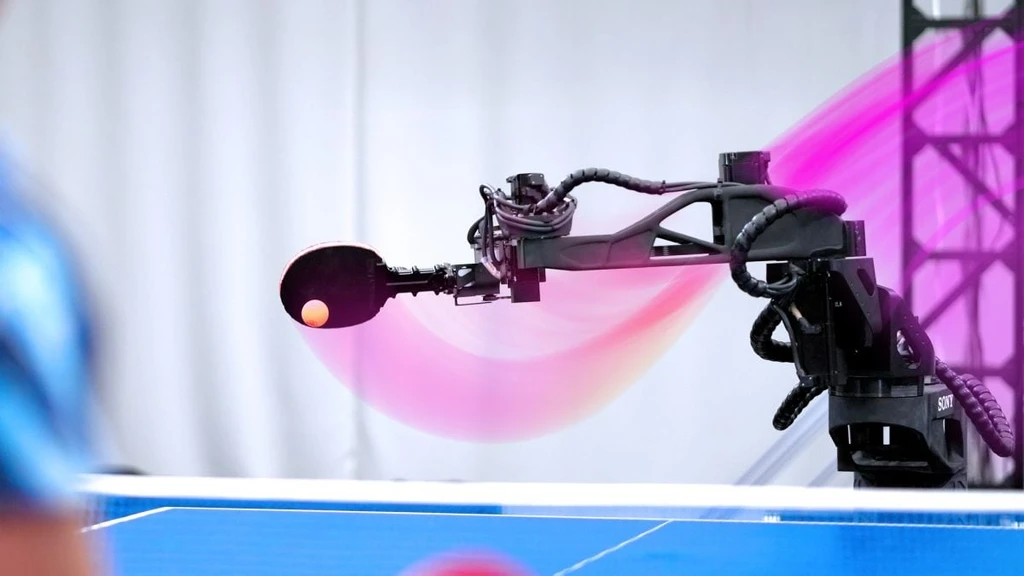
Engineers have developed a robot, named Ace, capable of defeating elite human players in table tennis, a sport renowned for its skill intensity. Against top amateur players who train extensively, the Sony AI robot secured victories in three out of five matches. This achievement represents a major robotics breakthrough, integrating high-speed sensing, AI decision-making, and robotic control for real-time competition.
Roboticist Peter Dürr, project lead for Ace at Sony AI, stated that the autonomous robot can match or exceed human reaction times and decision-making in a physical space. The complexity of table tennis demands split-second decisions, speed, and power. This development highlights the potential of physical AI agents for real-time interactive tasks, paving the way for robots with broader applications.
While many AI systems excel in virtual challenges like chess or video games, physical games present exponentially greater hurdles. Robots must perceive environmental changes, interpret them, decide on a reaction, and execute the action instantly. Ace builds on Sony AI's previous work, including an agent that outperformed human players in the video game Gran Turismo.
Ace's design features a perception system that tracks the ball and detects its spin, a crucial element often missed by previous robots. Its AI 'brain,' trained through deep reinforcement learning, enables real-time decision-making. A highly agile, eight-jointed robotic arm executes these decisions with precision and speed.
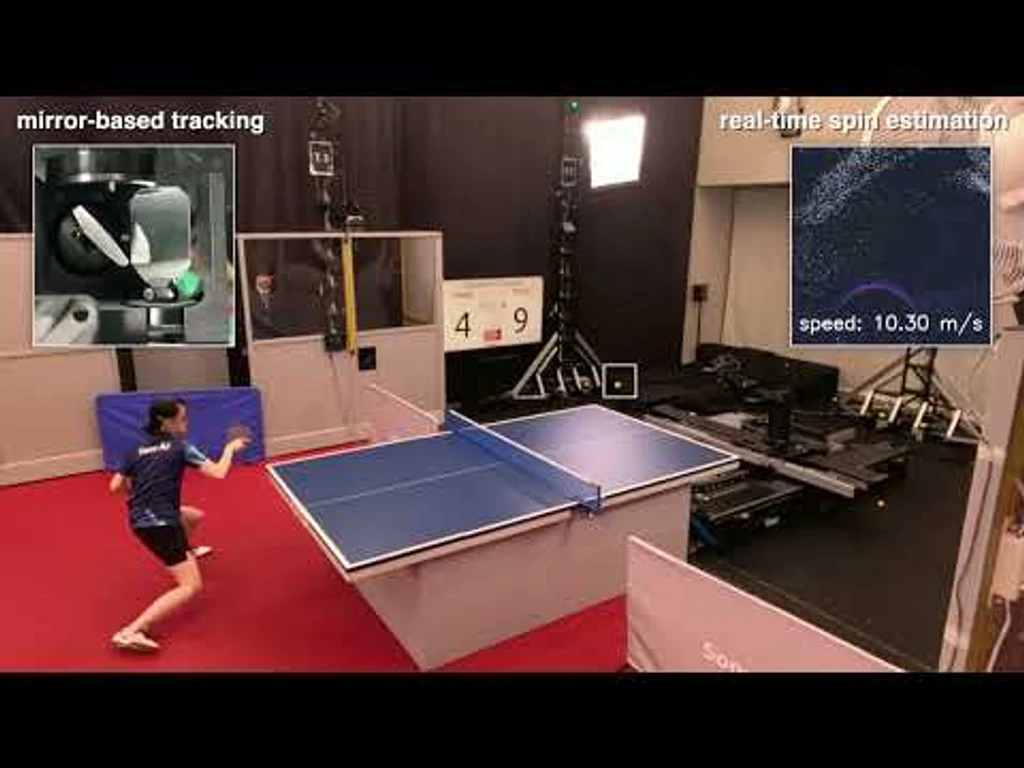
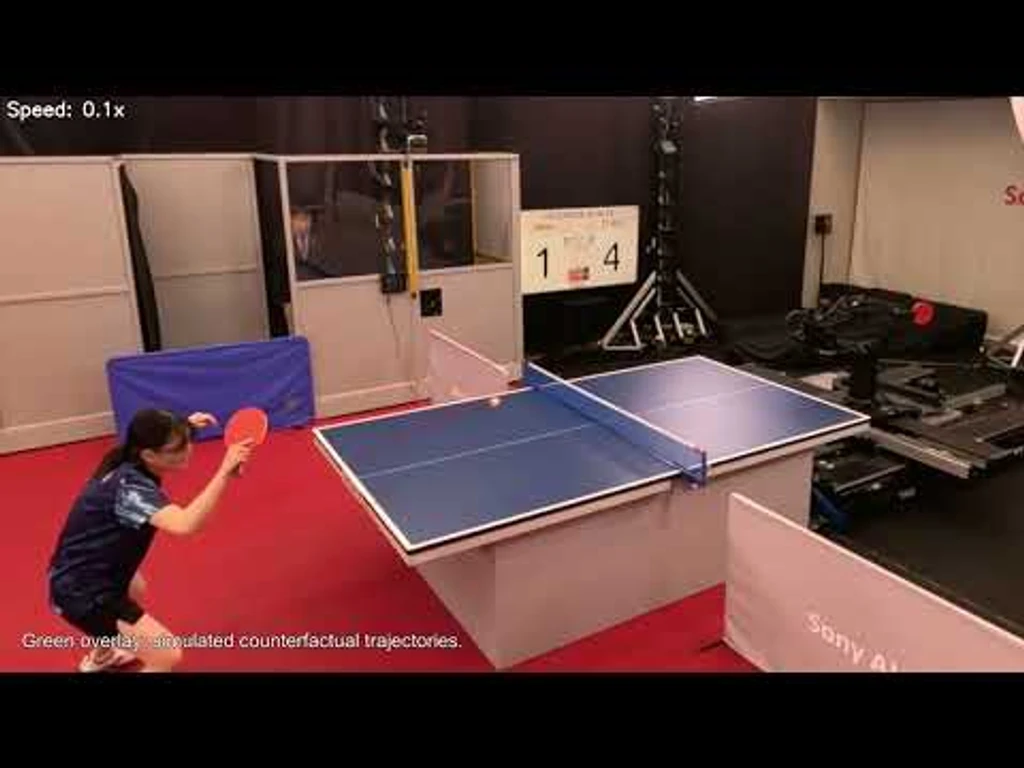
In matches against seven human players, including five elite amateurs and two professional Japanese league players, Ace won seven out of thirteen games against amateurs, securing three match wins. While its performance against professionals was less dominant, its overall capability surpasses previous table tennis robots.
Analysis revealed Ace's spin detection as a key factor, enabling it to return 75 percent of spinning balls. The robot also impressed observers with its masterful control and surprising maneuvers. Researchers suggest robots like Ace could offer new methods for learning and improving human performance.
Sony AI chief scientist Peter Stone emphasized that this breakthrough extends beyond table tennis. It signifies AI systems' ability to perceive, reason, and act effectively in complex, rapidly changing real-world environments, opening doors to a new class of applications previously considered out of reach.