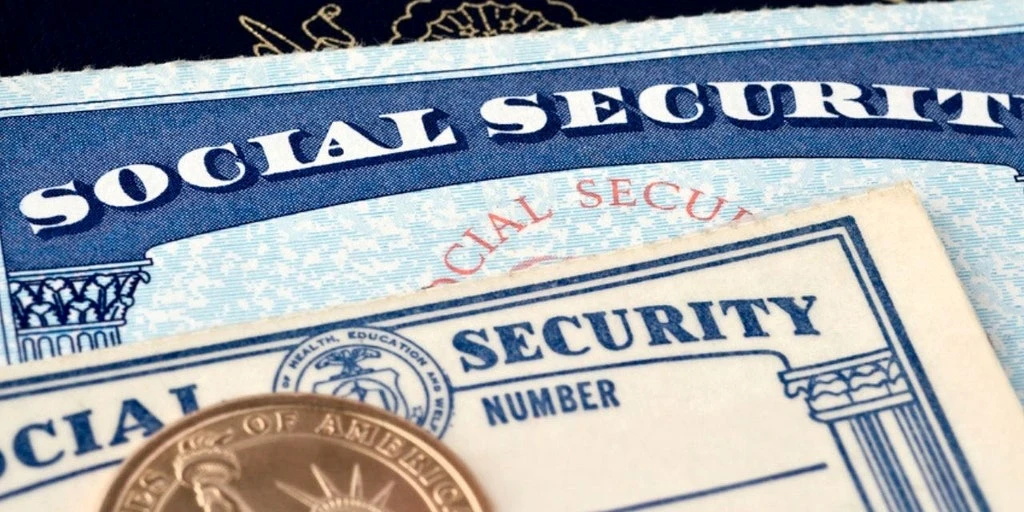
The Social Security Administration and its Office of Inspector General issued warnings during the March 2026 "Slam the Scam" campaign, citing continued volume of impersonation fraud. Federal data shows over 330,000 government impersonation complaints were reported to the FTC in 2025, representing a 25% increase from the previous year.
Scammers design messages to look like official SSA communication, often including victims' names, partial SSNs, or benefit references. Much of this information originates from previous data breaches, making the fraudulent communications appear authentic.
Criminals seek either personal identifiers or money. They request full or partial Social Security numbers, dates of birth, addresses, phone numbers, and login credentials under the guise of identity verification. Alternatively, they demand direct payments through wire transfers, gift cards, or cryptocurrency after establishing trust.
The stolen information enables scammers to bypass identity checks, open financial accounts in victims' names, and access benefit-related accounts. They can redirect Social Security payments by updating direct deposit details using compromised personal data.
The SSA emphasizes it does not contact individuals unexpectedly to request personal information. Legitimate communication occurs through mailed notices or My Social Security accounts. The agency may send limited emails for account notifications, but these never request personal information.
Victims receiving suspected SSA scams should avoid responding, clicking links, or calling numbers provided. Instead, verify account status through SSA.gov or verified phone numbers. Those who have shared information should report the incident to the SSA Office of Inspector General at oig.ssa.gov/report and file reports at IdentityTheft.gov.