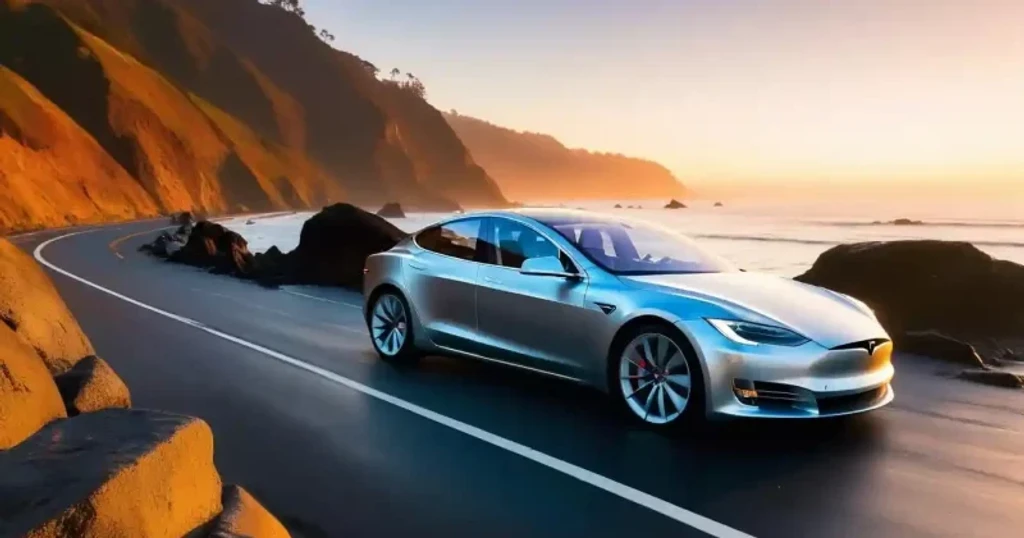
A Tesla equipped with Full Self-Driving Beta version 10.69.25.2 completed an 81-mile round trip between San Francisco and Palo Alto without any human input. The journey took roughly 2 hours and 20 minutes, navigating highway merges, dense urban intersections, and unpredictable Bay Area traffic.
This demonstration reinforces Tesla's camera-and-AI approach to autonomy, contrasting with competitors like Waymo, which relies on lidar sensors and geofenced zones. The company aims to enable every vehicle it sells to drive itself, not just a specialized fleet.
Tesla launched limited robotaxi operations in the Bay Area around mid-2025, with the fleet expected to exceed 100 vehicles by early 2026. Plans are in motion to expand to airport pickups in San Francisco, San Jose, and Oakland. However, California currently requires safety drivers, limiting scalability. Waymo has already secured permits for unsupervised rides in similar regions.
The Cybercab, a purpose-built robotaxi without a steering wheel or pedals, was unveiled in October 2024, with production anticipated by 2026.
For investors, the robotaxi business represents a shift from one-time vehicle sales to recurring revenue. The key milestone remains California regulatory approval for driverless operations.