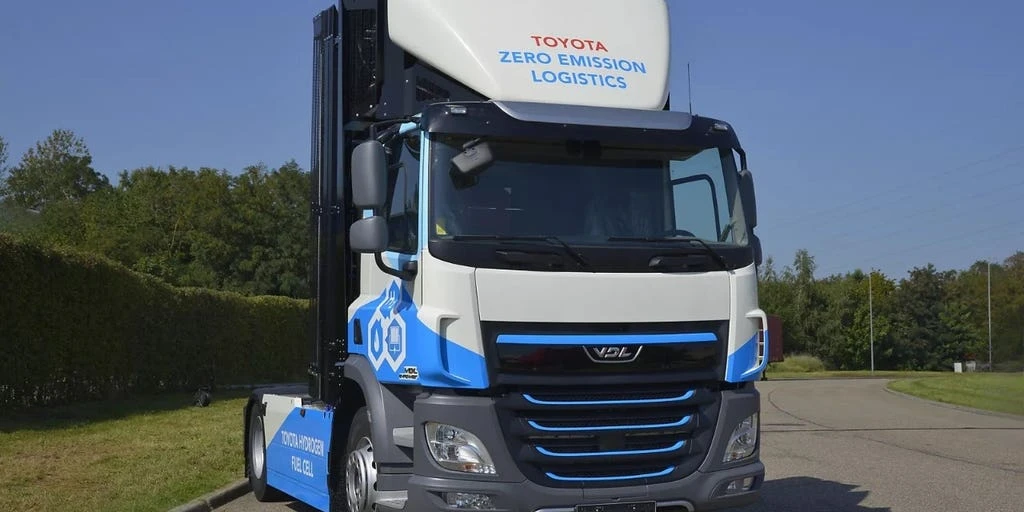
Toyota Motor Corporation is teaming up with Daimler Truck and Volvo Group to become equal partners in Cellcentric, a venture focused on developing and scaling hydrogen fuel-cell systems for heavy-duty trucks and industrial vehicles. This alliance aims to make zero-emissions trucking more viable by improving hydrogen systems and increasing production.
While battery-electric vehicles are dominant for cars and shorter routes, hydrogen offers advantages for long-haul freight. Fuel-cell trucks can refuel faster and achieve longer distances without the weight penalty of massive battery packs, crucial for efficient shipping.
Toyota has invested in hydrogen technology for decades, notably with the Mirai car, but infrastructure has been a hurdle. The company has since expanded its focus to heavy-duty vehicles, applying its fuel-cell expertise to commercial platforms.
This partnership leverages shared costs and accelerates development. Toyota brings fuel-cell manufacturing experience, Daimler Truck offers commercial vehicle expertise, and Volvo Group provides global scale. A key focus is the expansion of hydrogen refueling infrastructure, with Europe planning significant network growth by 2030.
The move signifies a multi-technology approach to clean transportation, not an abandonment of electric vehicles. Companies are spreading investments across different solutions to meet diverse needs and achieve emissions goals. Hydrogen is positioned as a strong contender for long-haul trucking.
This development impacts consumers indirectly, as cleaner, more efficient freight transport can reduce emissions in a critical sector. It highlights a future where different transportation technologies will serve specific purposes.