
Tether, the company behind the USDT stablecoin, has launched QVAC MedPsy, a medical AI model designed to run entirely on smartphones, wearables, and other edge devices-no cloud connection required.
The company claims its 1.7 billion-parameter model outperforms Google's MedGemma-27B on OpenAI's HealthBench Hard benchmark, a test of realistic clinical conversations graded by 262 physicians. That rival model is nearly sixteen times larger.
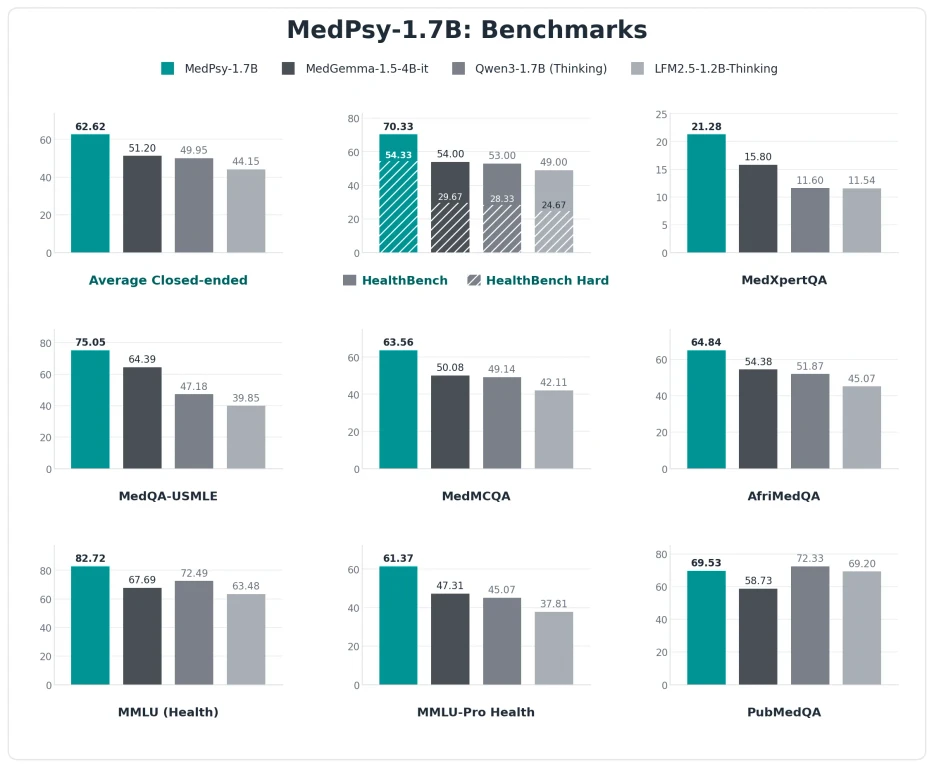
Tether CEO Paolo Ardoino credited efficiency improvements rather than scale. The 4 billion-parameter version uses about 909 tokens per response versus nearly 3,000 for comparable systems-a 3.2x reduction that lowers cost and enables local deployment.
The models ship as quantized GGUF files (1.2 GB and 2.6 GB) that run on standard consumer hardware, allowing hospitals and clinics to keep patient data on-premises, avoiding HIPAA exposure from cloud processing.
This release follows Tether's broader push into local AI, including its QVAC SDK and QVAC Health wellness app. The medical AI market today is estimated at $36 billion, projected to exceed $500 billion by 2033.