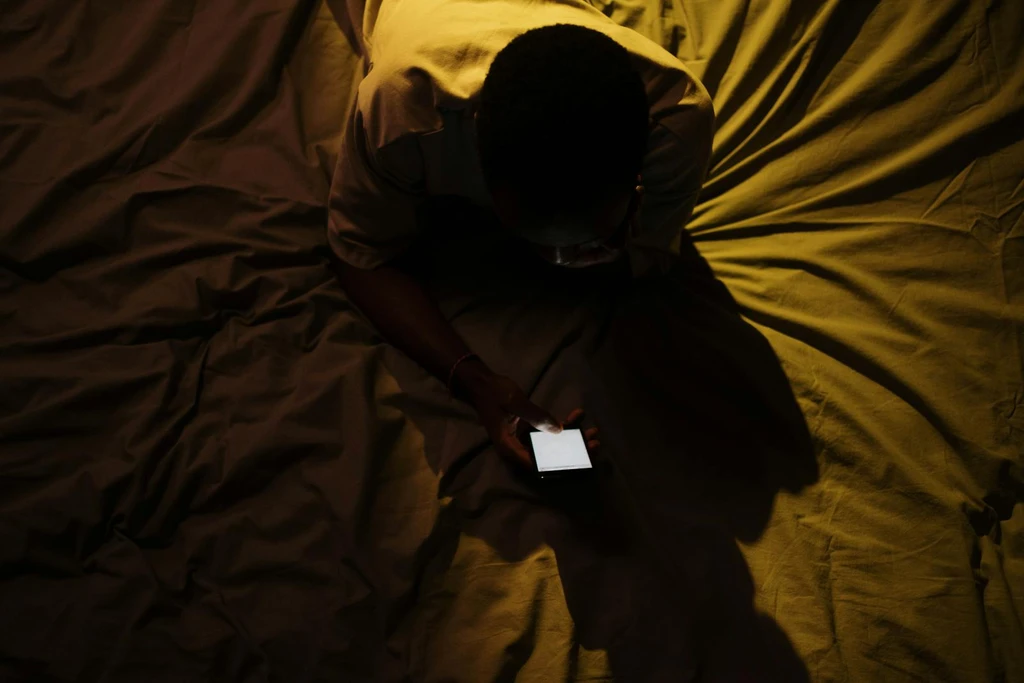
The most intimate relationship most people have today isn't with a partner or friend-it's with a device weighing less than 200 grams. It knows exactly when you're bored, lonely, or anxious.
Unlike the popular narrative, the real issue isn't screen time but how your phone has become the most emotionally attuned presence in your life. Designed to anticipate your needs before you recognize them, it responds consistently to your emotional cues.

This isn't addiction-it's responsiveness. Your phone meets a fundamental human need: the desire to feel noticed and supported. It offers comfort at 2am, distraction during discomfort, and connection during isolation.
Research shows that attachment theory applies here too. People with anxious attachment styles find security in its constant availability. Those with avoidant patterns value its intimacy without vulnerability.
But the phone’s emotional responses, though effective, come at a cost. Relational muscles atrophy when they're not exercised. Over time, humans become less capable of handling the messiness of real relationships.
This isn't just a Western phenomenon. From Japan’s hikikomori to South Korea’s honjok, technology mediates emotional needs globally.
The solution isn’t to ban devices. It’s to build human connections that can compete-through naming emotional needs, tolerating relational imperfections, creating safe spaces for vulnerability, and recognizing this as a design challenge, not a moral failing.
Your phone learned your emotional patterns faster than any person in your life ever did. That’s not a tech flaw-it’s a failure of human relational infrastructure.