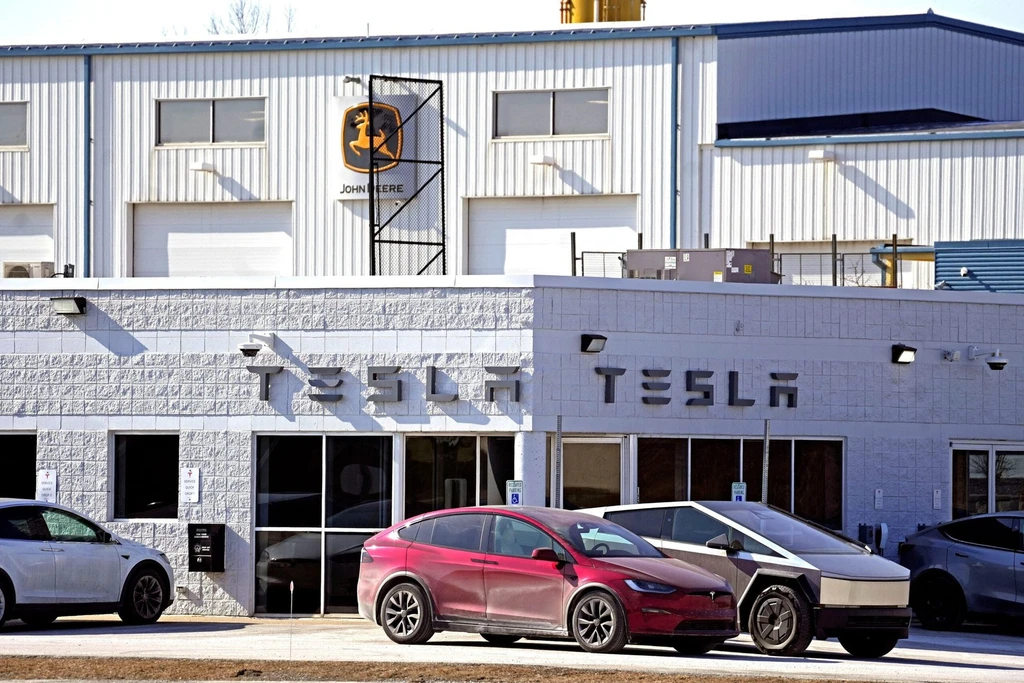
Tesla is accelerating its pivot to robotics and autonomous vehicles-rolling out plans for the Optimus robot and its first autonomous semi truck. But the push has auto industry analysts questioning whether the automaker is neglecting its core car business.
This year, Tesla ended production of the Model S and Model X luxury EVs and now sits on thousands of unsold vehicles. The company reported producing 408,386 cars globally in Q1 2026 but only selling 358,023-a gap of more than 50,000 units.
“Tesla faced a tough year in 2025, a second tough year in a row, because its product line is aging,” said Stephanie Valdez Streaty of Cox Automotive. The company's lineup is stagnating at a time when the EV market is becoming far more competitive.
CEO Elon Musk told investors in January that Tesla is making an “overall shift to an autonomous future.” He added the Optimus robot could become “the biggest product ever.”
Investors remain bullish. Bank of America recommends buying Tesla stock, citing leadership in “Auto 2.0.” Analysts note that execution on AI and autonomy is now as important as early EV success.
Meanwhile, the EV market faces headwinds. Sales fell to 9.6% of U.S. auto sales in 2025, down from 10.2%. The elimination of the $7,500 federal tax credit contributed to the decline. A glut of used Teslas also competes with new models.
Still, Tesla remains the largest EV seller in the U.S., with scale that gives it a significant cost advantage over rivals like Rivian and Lucid.