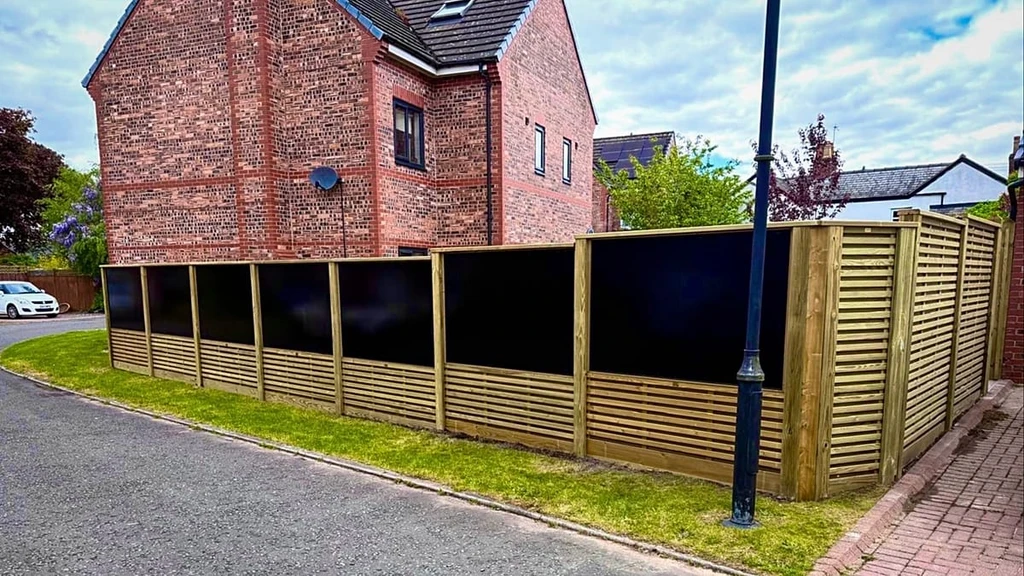
Europeans are transforming garden fences into mini solar farms, a trend sparking debate on its viability for energy independence.
Solar energy is already mitigating Europe's energy crisis, saving €12.8 billion by reducing gas imports as conflict in the region escalates. Interest in solar panels surged, with inquiries rising significantly in Germany and the UK following rising fossil fuel costs.
The UK lifted restrictions on plug-in solar panels, enabling low-cost options at retailers. Solar fences merge fencing with renewable energy, optimizing land use while sidestepping complex installations.
While these fences capture less sunlight due to their vertical design, they offer a gradual installation process. Each meter can generate about 100 to 150 watts, totaling approximately 5 to 7.5 kWh per day from a 10-meter fence, enough for essential appliances.
Companies like Next2Sun have deployed hundreds of solar fence projects across Europe, indicating a promising future for integrating renewable systems into infrastructure. These offerings could bolster sustainability in commercial environments while aligning with broader efforts to enhance renewable energy capacity.