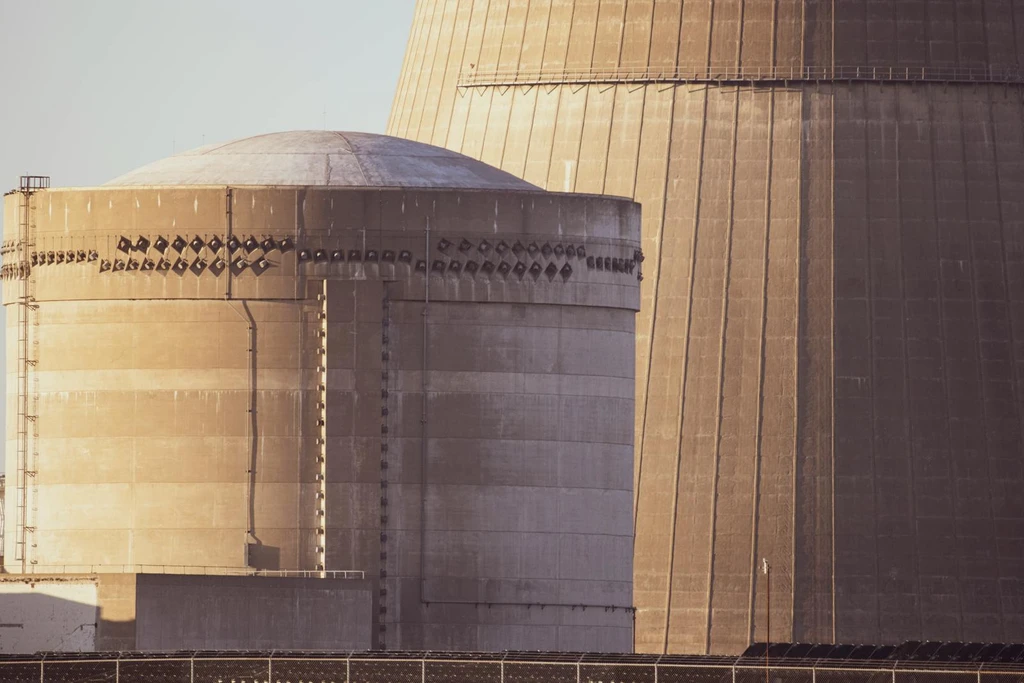
The U.S. Nuclear Regulatory Commission has granted TerraPower its first construction approval in nearly ten years, allowing the company to build a sodium-cooled nuclear reactor in Kemmerer, Wyoming. This decision marks a significant step for advanced nuclear energy in the U.S. and will test if next-generation reactor designs can meet the accelerating demands of the global energy transition.
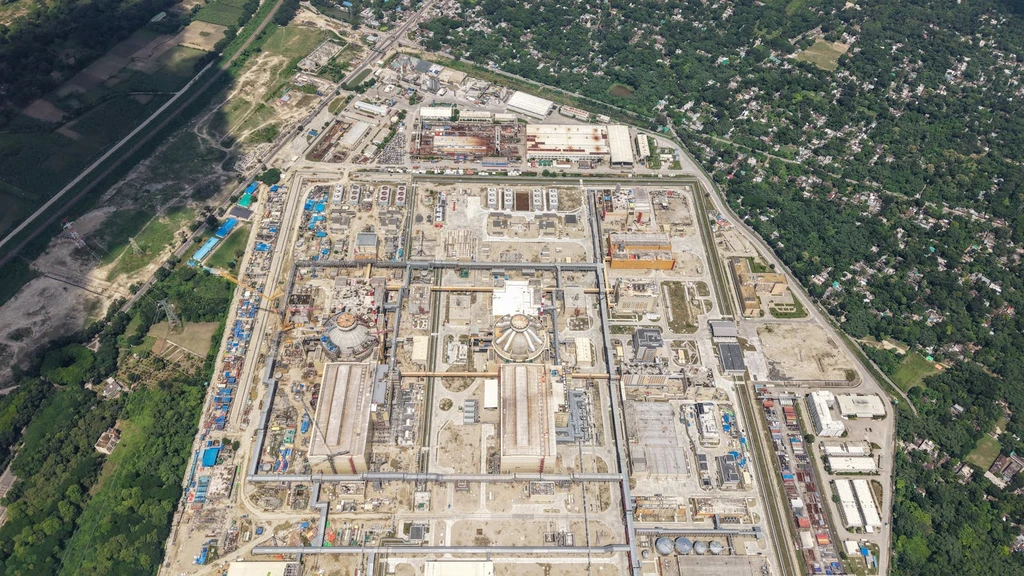
The Natrium reactor, a collaboration between Bill Gates-backed TerraPower and GE Hitachi, is designed to complement renewable energy sources. Unlike traditional pressurized water reactors, it uses liquid sodium for cooling, operating at atmospheric pressure. This design allows for a more flexible output, incorporating a salt-based energy storage system that can boost power to 500 MW, enabling it to ramp up and down with fluctuating wind and solar generation.
The approval comes after the ADVANCE Act of 2024 aimed to streamline nuclear project approvals. However, TerraPower still requires operational approval before generating power, with a projected completion date of 2030. This timeline introduces political uncertainty, as the operational review may extend into a future administration.
The timing is crucial as data centers and AI training facilities represent a major new source of electricity demand. If Natrium proves successful and can be replicated efficiently, it could offer a solution for reliable, carbon-free baseload power. However, delays could narrow the window for advanced nuclear to capture this growing demand.
Liquid sodium cooling offers thermodynamic advantages but carries risks due to sodium's reactivity with water and air. Past sodium-cooled reactors faced operational issues. TerraPower's design aims to mitigate these with modern engineering, but it's a first-of-its-kind commercial implementation.
The project combines federal support, regulatory reform, and private capital to overcome historical cost and schedule challenges in nuclear construction. Its success will reveal if this model can make small, modular, and flexible nuclear designs financially viable. For communities like Kemmerer, a former coal town, the project is also a test case for the distributional impacts of the energy transition.