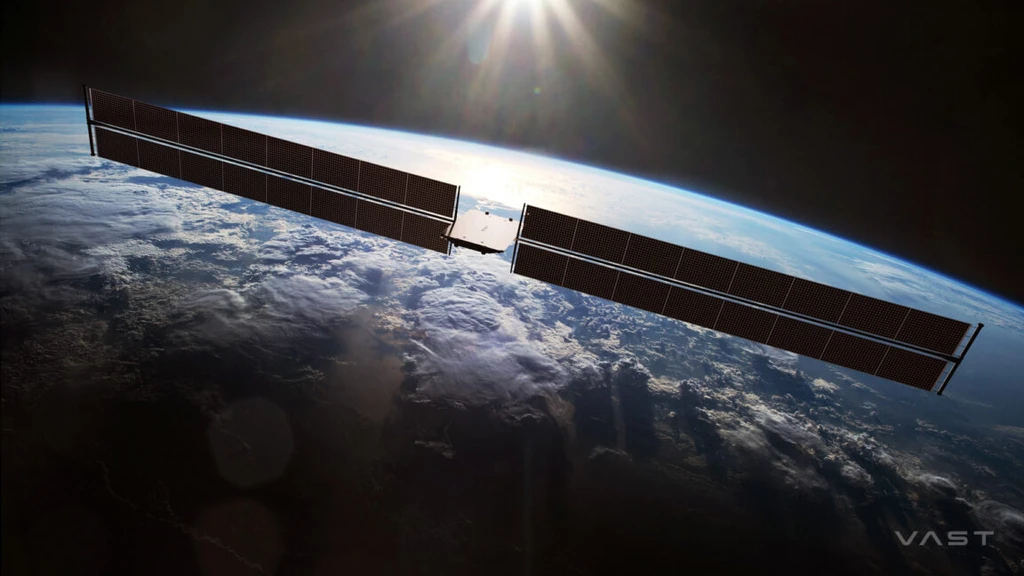
Vast Space is diversifying. The company, primarily known for its space station ambitions, announced a new product line: high-power satellites for an increasingly crowded and evolving market.
Historically, large US defense contractors like Boeing, Lockheed Martin, and Northrop Grumman dominated satellite manufacturing with bespoke, multi-hundred-million-dollar designs. But the landscape is shifting. The US Space Development Agency now favors proliferated constellations-many smaller, cheaper satellites-over a few large, expensive ones. This shift, coupled with lower launch costs thanks to SpaceX's Falcon 9, has opened the door for new entrants.
Vast CEO Haot believes many emerging satellite firms are not yet mature, giving Vast an opportunity to lead, especially in power-intensive applications. Vast has already invested $1 billion in facilities for spacecraft manufacturing, including clean rooms, that can support both space stations and satellites.
The global satellite count has exploded from roughly 4,000 to 14,000 in the last five years, largely due to Starlink. Projections suggest 500,000 satellites could be in orbit within a decade for communications, Earth observation, and orbital data centers. Haot expects 90% of those to be built by SpaceX, Amazon, or Blue Origin, but even 10% represents a 50,000-satellite market for companies like Vast.